
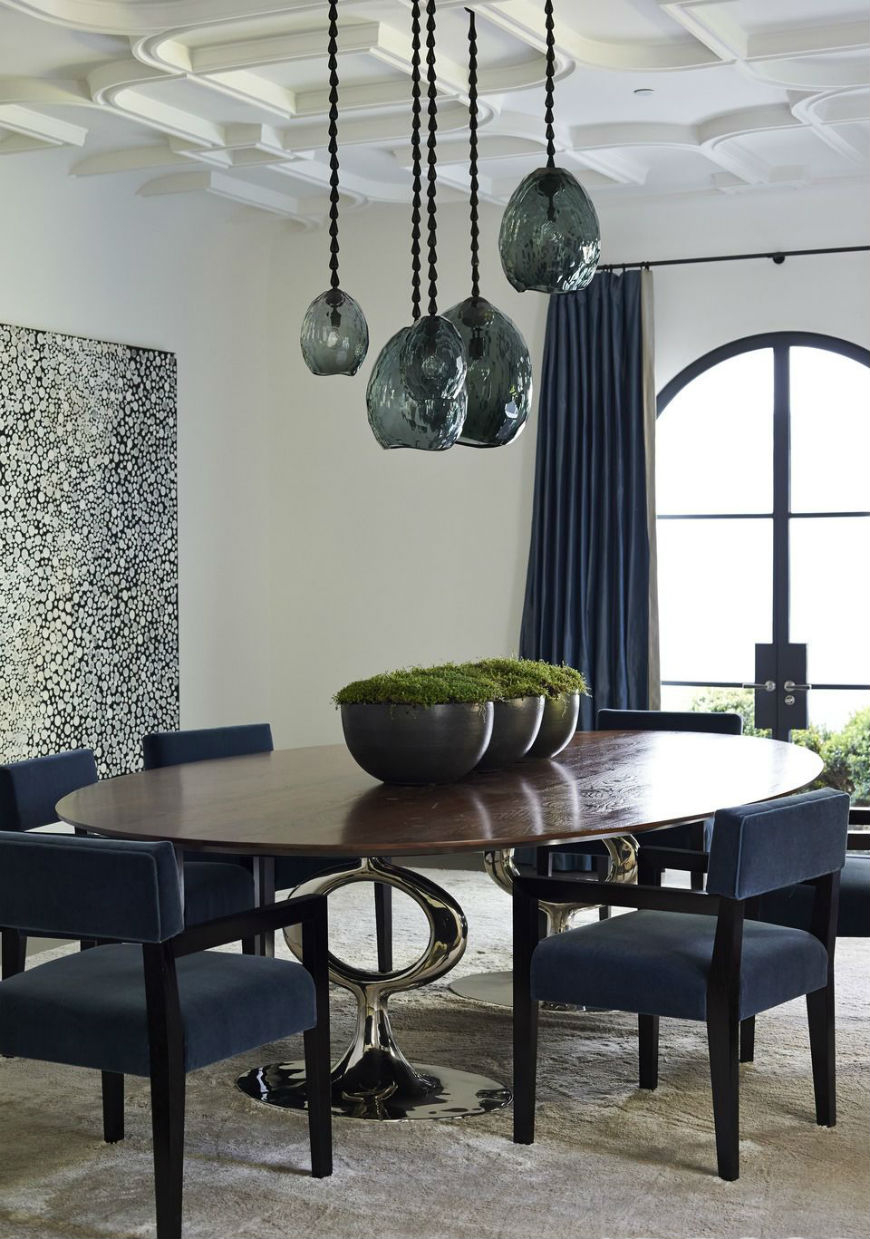
Walk into a room where a nineteenth-century farmhouse corner cupboard still anchors the dining space, and you will notice something missing: wobble, squeak, and superficial veneer peeling. Run your hand along the crown molding, open the heavy frame-and-panel door, and feel the solid heft of quarter-sawn white oak or black walnut. That object is not merely a utility for holding china or stacking books; it is a physical archive of human patience. While contemporary global supply chains prioritize flat-packed convenience and compressed particle board, domestic workshops scattered from rural Ohio to the foothills of North Carolina continue to build furniture under a different philosophy: things should be made to outlive the people who bought them.
Corner furniture holds a unique, deceptively demanding position in the domestic architecture of a home. A standard rectangular credenza or a straight-backed bookshelf simply needs to stand against a flat wall, relying on gravity and straightforward leveling feet for stability. A corner piece, however, must negotiate a ninety-degree structural marriage between two intersecting walls that are rarely, if ever, truly square. It requires geometric precision, specialized joinery, and an understanding of how seasonal humidity changes wood dimensions. When crafted domestically using traditional American woodworking methods, these pieces transform awkward, dead architectural voids into architectural centerpieces.
The enduring appeal of American-made corner furniture lies at the intersection of material science, regional tradition, and economic resilience. In an era dominated by disposable retail trends where furnishings are replaced every few years, domestic artisans maintain standards of construction that harken back to the Arts and Crafts movement championed by figures like Gustav Stickley. Understanding why these pieces endure requires looking past the surface finish down into the very anatomy of the wood, the methods of construction, and the quiet economics of supporting local craftspeople who refuse to compromise on structural integrity.
The Geometry of the Void: Designing for the Hardest Angles in the House
Building a functional, beautiful piece of furniture to fit into the corner of a room is an exercise in complex spatial geometry. Walls in residential construction settle over time, bowing outward or pinching inward at angles that deviate from a true ninety degrees. A mass-produced, imported corner cabinet with rigid, factory-welded or pinned square dimensions will often leave unsightly gaps against the wall or rock precariously when loaded. Domestic furniture makers approach this challenge with adaptive design techniques, often incorporating scribe moldings or custom-fit back panels that can be hand-planed on-site to match the exact irregularities of a home’s drywall and plaster.
Beyond the wall interface, the interior volume of a corner unit presents a distinct ergonomic puzzle. Traditional square shelving provides uniform depth, but a corner triangle naturally tapers toward the rear apex, creating hard-to-reach dead zones if not engineered thoughtfully. American craftsmen resolve this through intelligent interior architecture, such as integrating bi-fold doors that swing clear of adjacent walls, pivoting lazy Susans mounted on heavy-duty ball-bearing swivels, or stepped shelf tiers that maximize usable surface area. Every millimeter of space is accounted for, transforming what architects often treat as dead architectural runoff into high-capacity storage.
The structural skeleton of domestic corner furniture must also bear unique weight distribution pressures. Because corner units are often tall—ranging from corner china cabinets to multi-tier entertainment centers—they require robust anchoring systems and carefully calculated centers of gravity. Rather than relying on fragile cam-locks or plastic corner brackets, American workshops utilize structural gussets, mortise-and-tenon frame assemblies, and solid wood corner posts that channel vertical loads directly down to the floor. This architectural thoughtfulness ensures that even when packed with heavy stoneware or dense hardcover libraries, the frame remains rigid, silent, and entirely stable over decades of use.
The Anatomy of Longevity: Materials, Joinery, and Domestic Hardwoods
The longevity of American-made corner furniture begins at the lumber yard, long before a chisel touches a plank of wood. Domestic manufacturers frequently source hardwoods native to North America—such as Appalachian cherry, hard maple, red and white oak, and black walnut. These species possess high Janka hardness ratings, meaning they resist denting, scratching, and structural compression under heavy daily loads. Unlike engineered wood products like medium-density fiberboard (MDF) or particle board, which disintegrate upon contact with moisture and lose their structural grip once a screw is stripped, solid domestic hardwoods possess a cellular matrix that can be repaired, refinished, and restored indefinitely.
Traditional joinery serves as the invisible backbone that separates heirloom furniture from landfill-bound novelties. In mass-produced factories, staples, dowels, and polyvinyl acetate glues under high pressure do the heavy lifting, degrading within a decade as indoor relative humidity fluctuates. Conversely, American artisans rely on time-tested mechanical joints like the mortise and tenon, dovetail drawers, and tongue-and-groove back panels. A properly cut dovetail joint relies on interlocking wooden fingers that physically resist being pulled apart from multiple directions, meaning the drawer box will remain square and functional long after commercial glues have crystallized and failed.
Finishing processes in domestic workshops further protect the integrity of the piece while celebrating the natural grain of the wood. Rather than applying heavy, opaque synthetic lacquers that trap moisture and plasticize the surface, many American makers utilize hand-rubbed tung oils, linseed oil blends, or conversion varnishes. These finishes penetrate deep into the wood pores, allowing the material to breathe and acclimate naturally to indoor climate control systems. When a scratch or dent inevitably occurs from everyday life, a solid wood surface finished with natural oils can be locally sanded and re-oiled, developing a rich patina that deepens in character over the years.
A Step-by-Step Guide to Evaluating and Sourcing Authentic Domestic Corner Furniture
Navigating the furniture market to find genuinely authentic, high-craftsmanship American-made corner pieces requires a discerning eye and a structured evaluation method. With many global brands utilizing deceptive marketing terms like "designed in the USA" while manufacturing overseas, buyers must look for concrete physical markers of domestic artisanal production.
- Step 1 (Examine the Joinery and Undersides): Flip the piece over or inspect the interior framing underneath the bottom shelf. Look for visible mortise-and-tenon connections, exposed hand-cut dovetails on drawer boxes, and the absence of cheap plastic corner braces or staple guns.
- Step 2 (Verify the Material Composition): Check the back panels and interior shelving. True heirloom-quality corner furniture uses solid hardwood or multi-ply hardwood plywood for back panels, whereas mass-market alternatives use thin, flimsy cardboard or paper-wrapped particle board that sags under minimal weight.
- Step 3 (Assess the Hardware and Operational Mechanics): Test doors and drawers. High-end domestic builders utilize heavy, ball-bearing drawer slides rated for significant weight capacity, solid brass or forged iron hinges, and magnetic or roller catches that operate smoothly without binding.
- Step 4 (Research the Maker and Supply Chain): Investigate the brand’s provenance. Authentic American makers—whether independent regional woodworkers or established domestic guilds—are transparent about where their lumber is harvested, where their workshops are located, and whether their pieces are built-to-order.
- Step 5 (Evaluate Customization and Sizing Options): Inquire about sizing flexibility. True craftsmanship often involves the ability to customize dimensions, wood species, and finish stains to fit the exact architectural constraints of your specific room layout.
Common Pitfalls and Field-Tested Workarounds When Buying Corner Furniture
Investing in high-end domestic furniture is a significant financial commitment, and buyers frequently make predictable mistakes due to a lack of spatial planning or technical understanding. Recognizing these hazards protects your investment and ensures the piece integrates seamlessly into your living space.
- Pitfall 1 (Failing to Measure Wall Squareness): Assuming house corners are a true ninety degrees leads to frustrating installation gaps. Workaround: Use a framing square before purchasing, and look for custom furniture makers who offer scribed moldings or adjustable leveling feet to bridge minor wall imperfections.
- Pitfall 2 (Ignoring Wood Movement and Climate Fluctuations): Placing solid wood furniture directly over active heating vents or against uninsulated exterior walls causes rapid expansion and contraction. Workaround: Maintain indoor relative humidity between 35% and 50%, and position high-end hardwood pieces away from direct thermal plumes to prevent panel splitting.
- Pitfall 3 (Overlooking Weight Capacities for Specialized Storage): Stacking heavy dishware or dense book collections onto poorly supported corner shelves can cause bowing. Workaround: Verify that interior shelves are at least three-quarters of an inch thick and supported by solid wood cleats or heavy-duty adjustable shelf pins rather than fragile plastic pegs.
- Pitfall 4 (Falling for "Solid Wood" Marketing Distortions): Many commercial retailers label veneer-wrapped particle board as "solid wood" components. Workaround: Inspect the grain pattern across edges and ends; if the grain flows continuously around corners, it is genuine solid lumber. If it looks uniform and repeats artificially, it is a synthetic veneer.
- Pitfall 5 (Neglecting Delivery and Clearance Logistics): Tall corner cabinets are notoriously difficult to maneuver through tight stairwells, hallways, and low-ceiling doorways. Workaround: Opt for two-piece modular corner units (such as a separate upper display hutch and lower credenza base) that simplify transport and installation.
The Wider Economic and Environmental Impact of Domestic Manufacturing
Choosing American-made furniture extends far beyond personal aesthetic satisfaction or immediate home utility; it represents a vote for economic sustainability and ethical resource management. When consumers buy furniture produced within domestic networks, their capital directly supports skilled trade jobs, local timber economies, and multi-generational family workshops. Unlike imported mass-market goods that incur massive carbon footprints through transoceanic shipping containers, domestic pieces often utilize locally or regionally harvested timber, drastically reducing transportation emissions and supporting sustainable forestry initiatives across North America.
Furthermore, the longevity of heirloom furniture inherently combats the global crisis of throwaway consumerism. According to environmental impact studies, millions of tons of cheap, poorly constructed furniture end up in municipal landfills every year because replacement is cheaper and easier than repair. In contrast, an American-made solid hardwood corner cabinet purchased today functions as a carbon sink for decades, resisting obsolescence through its durability and timeless aesthetic. By keeping functional items in circulation for fifty to one hundred years, buyers break the cycle of disposable consumption and invest in a circular, sustainable domestic economy.
The preservation of traditional woodworking skills also safeguards cultural heritage. Techniques like hand-cut dovetails, steam-bending, and precise mortise joinery require years of dedicated apprenticeship to master. When regional workshops thrive, these specialized trades are passed down to younger generations, keeping manufacturing expertise alive within local communities. Buying domestic furniture is therefore an act of cultural preservation, ensuring that the legacy of American artisanal craftsmanship continues to evolve rather than fading into industrial history.
Strategic Recommendations for Curating and Preserving Heirloom Corner Pieces
Maximizing the lifespan and visual impact of high-end domestic furniture requires deliberate care routines and thoughtful room integration. Because solid wood reacts to its environment, proactive maintenance ensures that a corner cabinet or display unit retains its structural integrity and flawless finish for generations.
- Actionable Recommendation 1 (Establish a Preventative Maintenance Schedule): Dust solid wood surfaces regularly with a soft, dry microfiber cloth. Avoid commercial silicone-based polishes, which build up over time and attract dust; instead, apply a pure beeswax or manufacturer-recommended nourishing oil once or twice a year.
- Actionable Recommendation 2 (Protect Surfaces from Environmental Stress): Use felt pads under heavy decorative objects, lamps, or serving platters placed on top of corner buffets and display cabinets to prevent scratching and ring marks from moisture condensation.
- Actionable Recommendation 3 (Anchor Tall Units Securely): Even though well-built corner furniture is inherently stable, tall display cabinets should always be anchored to wall studs using discreet anti-tip brackets, particularly in homes with children, pets, or seismic activity.
- Actionable Recommendation 4 (Rotate Display Items Periodically): To prevent uneven wood patina development caused by localized sunlight exposure through windows, occasionally rearrange interior display objects or shift lighting angles.
- Actionable Recommendation 5 (Document the Piece’s Provenance): Keep certificates of authenticity, maker signatures, purchase receipts, and maintenance notes stored safely inside a drawer. For heirloom pieces, knowing the wood origin and the artisan’s name adds profound sentimental and generational value.
The enduring appeal of American-made corner furniture is ultimately a testament to human values that resist the pull of speed and convenience. In a domestic landscape often saturated with temporary fixes and fragile commodities, a meticulously built hardwood corner cabinet stands as a quiet rebellion. It reminds us that physical objects can carry intention, honor natural materials, and respect the labor of the person who shaped them.
As we look toward the future of home design, the demand for authenticity, sustainability, and structural integrity continues to grow. Choosing domestic craftsmanship is not merely an interior design decision; it is a deliberate alignment with quality, community resilience, and timeless utility. By bringing a piece of true American-made corner furniture into your home, you are not just filling an empty space—you are welcoming a functional sculpture built to tell its story for generations to come.


