
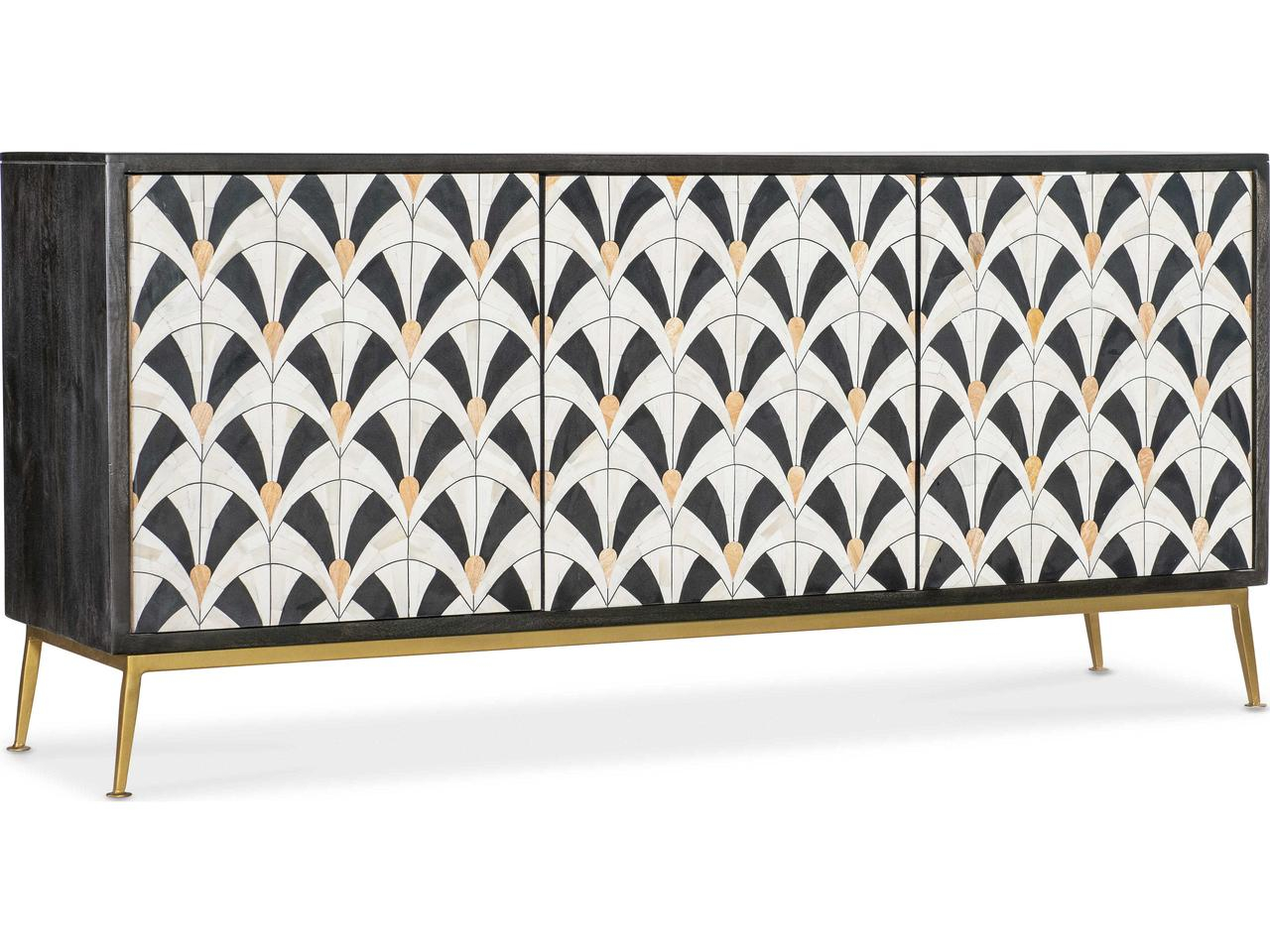
There is a strange sort of magic that happens when a piece of furniture takes over a room without making a single sound. You know the feeling? You walk into a space, and your eyes are instantly pulled toward a specific corner—not because it is flashy, but because it carries a quiet, grounding weight. That is exactly what happens with the Melange black wood accent cabinet. It is a piece that feels like a hidden treasure discovered in a high-end antique shop, yet it functions with all the smooth precision of modern engineering.
But where does that magnetic pull come from? It isn’t an accident. In the world of interior styling in 2026, we are seeing a massive shift away from flat, disposable furniture and a return to items that tell a story. This particular piece stands out because it acts like a bridge. It connects centuries of design history with the gritty, practical needs of everyday life. Let us take a look behind the dark finish and see what makes this cabinet a true masterpiece of form and function.
The Artistic Roots and Historical DNA
To understand why this cabinet looks the way it does, you have to look backward. The design heritage of the black wood statement piece is deeply intertwined with several major movements in art and furniture history. First, there is a clear nod to traditional Asian lacquer work—specifically the stark, dark chests that historically anchored rooms in the Far East. These pieces were valued for their deep, reflective finishes and their ability to bring order to a space.
On top of that, you can see heavy influences from the transitional design movement. This style blends the ornate, curvy details of classic traditional furniture with the clean, sharp lines of modern minimalism. The Melange collection thrives in this middle ground. It takes historical motifs, like a basketweave texture or a subtle medallion pattern, and flattens them into something sleek and unexpected. It doesn’t scream for attention, yet it completely holds its own.
Material Selection: The Marriage of Solid Wood and Engineering
When it comes to building furniture that lasts, what is on the inside matters just as much as what is on the outside. A common misconception is that high-end furniture must be made entirely out of solid planks of wood. In reality, solid wood moves. It breathes, expands, and contracts when the humidity changes, which can cause large flat surfaces to warp or crack over time.
To solve this, master builders use a clever combination of solid hardwoods—like maple, ash, or rubberwood—for the structural legs and frames, while utilizing premium wood veneers over engineered cores for the large panels. By layering a thin slice of genuine oak or maple veneer over a stable medium-density fiberboard (MDF) core, craftspeople get the beautiful, authentic grain patterns of real wood without the risk of warping. It is a smart engineering choice that ensures the cabinet doors continue to open and shut perfectly for decades.
The Secret in the Finish: The Multi-Step Process
Have you ever wondered why cheap black furniture looks like plastic, while luxury pieces have a rich, touchable depth? The secret lies entirely in the finishing process. A truly premium accent cabinet doesn’t just get sprayed with a single coat of black paint. Instead, it undergoes an intense, multi-step finish procedure that can involve up to 16 distinct steps.
This process includes hand-rubbing, padding, and light distressing techniques like wire brushing or knife marks. Craftsmen might apply subtle white brush strokes to catch the light, or a light rasping to give it a slightly lived-in texture. The goal isn’t to make the wood look damaged, but rather to highlight the natural grain lines underneath. This hand-craftsmanship creates an incredible smoothness that feels completely delightful to the touch, making the black finish look alive rather than flat.
Master Joinery and the Art of the Drawer
The true test of any cabinet’s quality happens when you pull open a drawer. If it wiggles, sticks, or feels flimsy, the illusion of luxury vanishes instantly. High-quality construction relies on time-tested woodwork techniques like English and French dovetail joinery. Dovetails are interlocking wedge-shaped joints that create an incredibly strong mechanical bond; they hold the drawer sides together without relying solely on glue or metal fasteners.
In these cabinets, the plywood drawer bottoms are carefully attached to full-height, full-depth sides to maximize every square inch of storage capacity. Additionally, modern pieces integrate smooth undermounted wood-on-wood guide systems or side metal glides. This ensures that even when the drawer is loaded with heavy books or silver linens, it glides open with effortless ease.
Thoughtful Engineering and Modern Conveniences
While the exterior looks like a classic artifact, the interior of a great accent cabinet is built for the tech-heavy reality of 2026. A beautiful sideboard is useless if it cannot handle your clutter. That is why modern engineering includes features like soft-close hinges, magnetic door catches, and touch-latches that allow the doors to pop open with a gentle push, keeping the front completely free of bulky hardware if desired.
Inside, you will typically find adjustable shelving that lets you customize the storage space for oversized serving platters or audio equipment. Many designs also feature a ventilated back panel with built-in cord management slots. This allows you to hide game consoles, internet routers, or media systems inside the cabinet without worrying about wires tangling or electronics overheating.
Practical Tips for Styling and Longevity
Bringing a heavy black piece into your home can feel a little intimidating. Because black absorbs light, it can easily dominate a room if it isn’t balanced correctly. To make it sing, try contrasting the dark cabinet with lighter textures. Place it against a soft cream wall, and top it with brass candlesticks, ceramic vases, or a stack of linen-bound books to break up the dark surface.
Caring for the cabinet is refreshingly simple, but it does require some discipline. For daily maintenance, a soft, dry microfiber cloth is all you need to clear away dust and fingerprints. Avoid using harsh chemical sprays or abrasive polish, as these can slowly strip away that beautiful multi-step finish. If a spill happens, wipe it up immediately—liquids that seep into the veneer can cause swelling, which is incredibly difficult to fix once it sets.
Ultimately, the Melange black wood accent cabinet is far more than just a box with shelves. It represents a conscious decision to invest in heritage, craftsmanship, and enduring style. It functions as a structural anchor for your living room, dining area, or entryway, offering a safe haven for your everyday essentials while showcasing your personal taste.
In an era where home trends flash by in the blink of an eye, objects built with this level of care and historical awareness remain timeless. By blending old-world carpentry secrets with modern lifestyle features, these cabinets do not just fill an empty space in a room. They elevate the entire home, turning a simple storage solution into a beautiful piece of functional art that you will love looking at every single day.


