
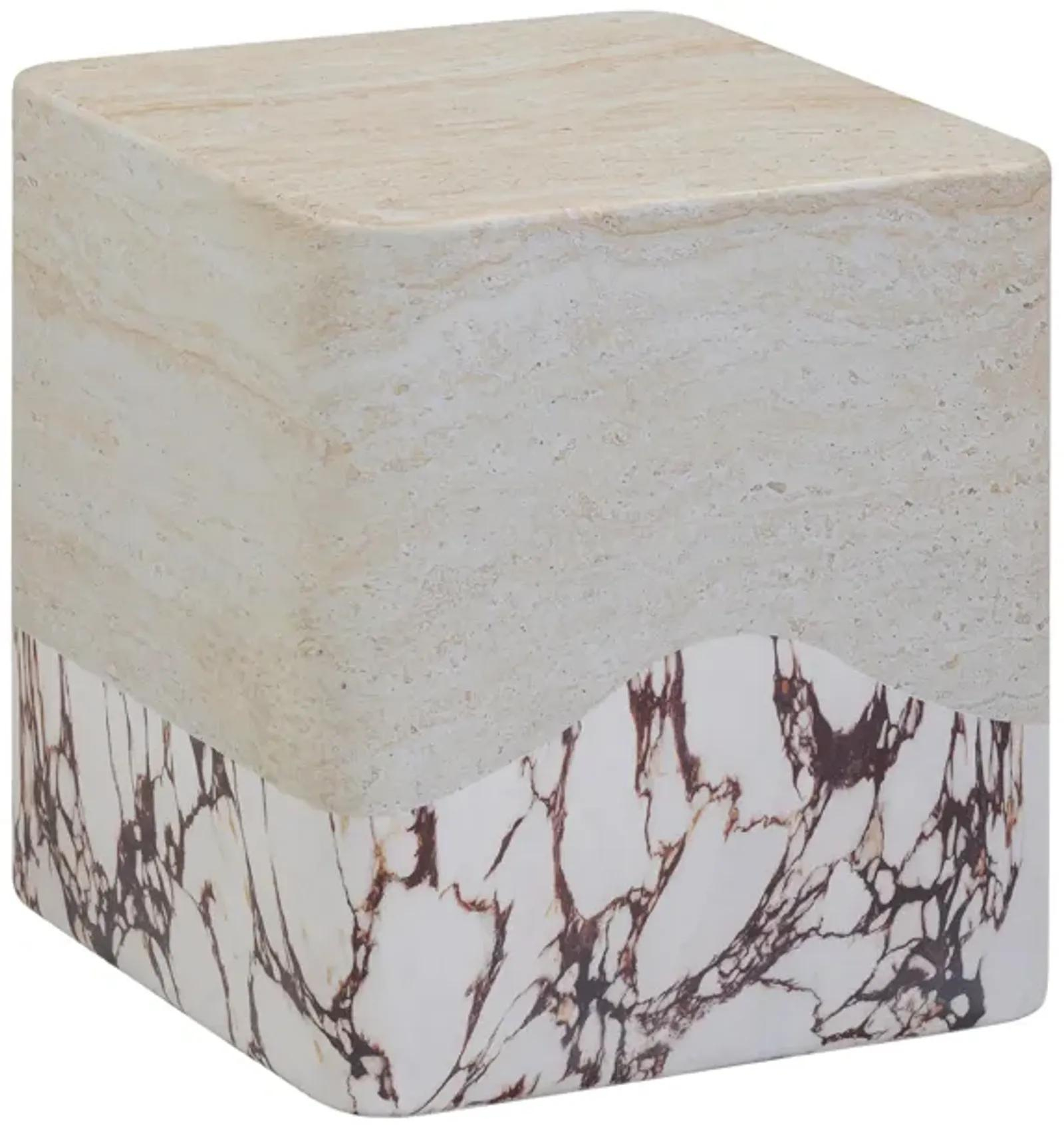
When you think about outdoor living spaces, durability isn’t just a nice-to-have feature—it’s absolutely essential. You want something that can handle everything from scorching summer sun to freezing winter conditions, from heavy rainfall to intense UV exposure. That’s exactly what makes brut travertine and breccia concrete so special. These materials don’t just look great—they’re built to last. Whether you’re planning a patio, walkway, or garden area, understanding their resilience can save you time, money, and a whole lot of headaches down the road.
Outdoor living spaces face a brutal environment. They’re constantly exposed to weather extremes, foot traffic, and the slow but steady wear of nature itself. What works perfectly fine indoors often fails spectacularly outside. That’s why choosing the right materials matters so much. Brut travertine and breccia concrete represent two excellent options that have been tested by time and weather. These aren’t just pretty faces—they’ve proven their worth in countless backyards, patios, and public spaces across the country. But what makes them so tough? Let’s dig into the details and find out.
What Makes Brut Travertine So Resilient?
Travertine might sound like something from a geology textbook, but it’s actually one of the most practical choices for outdoor projects. This natural limestone formation develops its unique characteristics through a process involving mineral-rich water and geological forces over thousands of years. The result is a material with incredible structural integrity.
The key to travertine’s strength lies in its composition. It contains calcium carbonate crystals that form a dense matrix, making it naturally resistant to many common outdoor threats. Unlike some materials that soften or deteriorate under pressure, travertine maintains its shape and appearance even after years of exposure.
Think about it this way: when you’re walking across a travertine patio, you’re literally walking on stone that’s been shaped by nature’s own engineering processes. The texture isn’t just aesthetic—it’s functional too. The slightly rough surface provides good grip, especially when wet, which means less slipping and more safety.
Many homeowners have found that travertine holds up remarkably well against freeze-thaw cycles, a major challenge for outdoor materials. While some stones crack or crumble during harsh winters, travertine typically maintains its structure because of its low absorption rate. This means less water gets trapped inside, reducing the risk of expansion and contraction damage.
Breccia Concrete: A Modern Marvel for Outdoor Use
Breccia concrete takes the concept of durability and elevates it to new heights. This isn’t just another concrete recipe—it’s a carefully engineered blend that combines crushed stone fragments with high-quality cement. The result is a material that looks like natural stone but performs like engineered steel.
What sets breccia concrete apart is its manufacturing process. The crushed rock pieces are selected for their size, shape, and strength properties. Then they’re mixed with special binders and treated with sealants that enhance their resistance to weather and wear. The end product is a surface that can handle everything from heavy furniture to kids running around.
One of the most appealing aspects of breccia concrete is how it handles temperature changes. Unlike traditional concrete that can crack under thermal stress, breccia concrete’s composite nature allows it to expand and contract more gracefully. It’s like having a rubber band that’s also incredibly strong.
The color options in breccia concrete are impressive too. You can get everything from earth tones that blend seamlessly with natural surroundings to bold colors that make a statement. This versatility means you can match your existing landscaping or create a striking contrast that enhances your space.
Weather Resistance: How These Materials Handle the Elements
Let’s talk about what happens when Mother Nature decides to test your outdoor space. Rain, snow, heat, cold, and UV rays all put pressure on materials that are meant to last. Both brut travertine and breccia concrete have been tested under extreme conditions and generally come out on top.
For example, in regions with severe winters, travertine has shown remarkable resistance to freeze-thaw cycles. When water freezes in small cracks, it expands and can cause damage to less durable materials. But travertine’s low porosity means minimal water absorption, so there’s less chance of freeze damage.
Breccia concrete performs similarly well in these conditions. Its engineered nature gives it consistent performance across temperature ranges. In fact, many contractors report that breccia concrete actually improves in strength over time, particularly in areas with fluctuating temperatures.
UV resistance is another area where both materials excel. Many outdoor materials fade or deteriorate quickly when exposed to direct sunlight for extended periods. However, both brut travertine and breccia concrete retain their color and structural integrity much better than typical alternatives. This means your outdoor space won’t look dingy or worn after just a few seasons.
Water resistance plays a huge role too. Both materials handle moisture well, though they require different maintenance approaches. Travertine benefits from periodic sealing to maintain its protective barrier, while breccia concrete often comes pre-treated with waterproofing agents that reduce the need for ongoing maintenance.
Maintenance Requirements: What You Need to Know
No material is truly maintenance-free, but both brut travertine and breccia concrete offer relatively straightforward upkeep compared to many alternatives. The key is understanding what each material needs and when to provide care.
Travertine requires regular cleaning and occasional resealing. The porous nature of natural stone means it can absorb dirt, oils, and stains if left untreated. However, this same quality also makes it easy to clean with mild soap and water. Most homeowners find that a simple sweep and rinse keeps travertine looking fresh.
The sealing process for travertine is straightforward but important. Every three to five years, applying a high-quality penetrating sealer helps protect against stains and weather damage. This investment pays off quickly in terms of reduced cleaning requirements and extended lifespan.
Breccia concrete tends to be more self-sufficient in terms of maintenance. The sealed surface resists staining and weathering better than many alternatives. Occasional cleaning with mild detergent and water usually suffices. Some manufacturers recommend periodic application of specialized surface treatments to maintain optimal performance.
Both materials benefit from proper installation and drainage. Poor installation can lead to water pooling, which may cause issues over time. Professional installation ensures that the materials perform optimally and meet expected durability standards.
Cost Considerations and Long-Term Value
Money matters when you’re planning outdoor improvements, and both brut travertine and breccia concrete fall somewhere in the mid-range price category. But when you factor in their longevity, the cost difference becomes much smaller.
Initial costs for brut travertine can be higher than standard concrete, but consider that you’re getting a material that will likely last 50+ years with proper care. Many homeowners see the investment pay for itself within 10-15 years through avoiding replacement costs.
Breccia concrete often has a lower upfront cost than natural stone, but the quality and durability mean it rarely needs replacement. In fact, many contractors report that breccia concrete installations have lasted longer than expected, sometimes exceeding 30 years of service.
The value extends beyond just longevity. Both materials increase property value significantly. Homeowners often report that outdoor spaces featuring either material show higher resale values compared to those using less durable alternatives. The aesthetic appeal combined with durability creates a premium feel that buyers appreciate.
Additionally, the low maintenance requirements translate to savings over time. Less frequent repairs, fewer replacements, and minimal cleaning needs all add up to substantial long-term savings. Some homeowners estimate saving $200-$500 annually in maintenance costs compared to conventional outdoor materials.
Installation Tips and Best Practices
Getting the most out of brut travertine and breccia concrete starts with smart installation practices. These aren’t just materials—they’re investments that deserve professional attention.
Proper base preparation is crucial. Both materials require a solid foundation to perform well. This means ensuring adequate drainage, proper compaction, and appropriate base materials. Poor base work leads to cracking, settling, and premature failure.
For brut travertine specifically, consider the grain direction when laying tiles. The natural stone has inherent patterns that look best when aligned properly. This attention to detail creates a more cohesive and attractive final result.
Breccia concrete installation involves careful attention to mixing ratios and curing times. The material must be mixed according to manufacturer specifications and allowed to cure properly. Rushing this process can compromise the final strength and appearance.
Drainage is another critical factor. Water pooling creates problems for both materials over time. Proper slope and drainage channels prevent water damage and ensure long-term performance.
Professional installation isn’t always necessary, but it’s highly recommended for larger projects or complex layouts. Experienced installers know how to work with these materials’ unique properties and can avoid common pitfalls that might compromise the final result.
Whether you’re designing a new outdoor living area or updating an existing one, brut travertine and breccia concrete offer reliable, long-lasting solutions. Both materials have proven themselves in real-world applications, handling everything from daily foot traffic to seasonal weather extremes.
The choice between them often comes down to personal preference, budget considerations, and specific project requirements. Travertine offers the timeless beauty of natural stone with excellent durability. Breccia concrete provides modern engineering advantages with aesthetic flexibility.
What matters most is understanding that these aren’t just materials—they’re investments in your outdoor lifestyle. They’ll be there for decades, providing enjoyment and value while requiring minimal ongoing attention. When you choose either of these options, you’re selecting quality that stands the test of time. The initial investment pays dividends through years of reliable performance, minimal maintenance, and increased property value. Your future self will thank you for making the right choice today.
[sps_html tag=”img” src=”https://marcpauze.com/wp-content/uploads/2025/12/brut-travertine-breccia-concrete-indoor-outdoor-side-table-throughout-brut-travertine-breccia-concrete-indoor-outdoor-side-table-scaled.jpeg” alt=”Brut Travertine & Breccia Concrete Indoor / Outdoor Side Table … throughout Brut Travertine & Breccia Concrete Indoor/Outdoor Side Table” style=”width: 100%; height: auto;”]
[sps_html tag=”img” src=”https://marcpauze.com/wp-content/uploads/2025/12/brut-travertine-breccia-concrete-indoor-outdoor-side-table-by-tov-with-regard-to-brut-travertine-breccia-concrete-indoor-outdoor-side-table.jpg” alt=”Brut Travertine & Breccia Concrete Indoor / Outdoor Side Table By Tov … with regard to Brut Travertine & Breccia Concrete Indoor/Outdoor Side Table” style=”width: 100%; height: auto;”]
[sps_html tag=”img” src=”https://marcpauze.com/wp-content/uploads/2025/12/ivy-bronx-brut-travertine-breccia-concrete-indoor-outdoor-side-pertaining-to-understanding-the-durability-of-brut-travertine-and-breccia-concrete-for-outdoor-living-spaces.jpg” alt=”Ivy Bronx Brut Travertine & Breccia Concrete Indoor / Outdoor Side … pertaining to Understanding the Durability of Brut Travertine and Breccia Concrete for Outdoor Living Spaces” style=”width: 100%; height: auto;”]
[sps_html tag=”img” src=”https://marcpauze.com/wp-content/uploads/2025/12/mixie-taupe-tile-indoor-outdoor-coffee-table-by-tov-furniture-with-brut-travertine-breccia-concrete-indoor-outdoor-side-table.webp” alt=”Mixie Taupe Tile Indoor / Outdoor Coffee Table By Tov Furniture … with Brut Travertine & Breccia Concrete Indoor/Outdoor Side Table” style=”width: 100%; height: auto;”]
[sps_html tag=”img” src=”https://marcpauze.com/wp-content/uploads/2025/12/nivelle-indoor-outdoor-breccia-capraia-textured-concrete-side-table-throughout-understanding-the-durability-of-brut-travertine-and-breccia-concrete-for-outdoor-living-spaces.jpg” alt=”Nivelle Indoor/Outdoor Breccia Capraia Textured Concrete Side Table … throughout Understanding the Durability of Brut Travertine and Breccia Concrete for Outdoor Living Spaces” style=”width: 100%; height: auto;”]


