
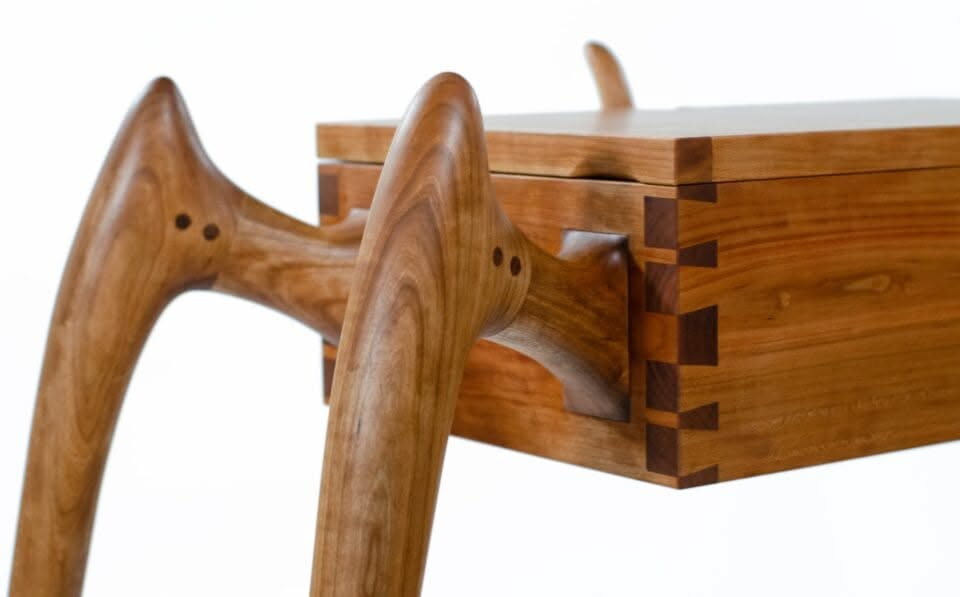
Run your fingertips across the headboard of a rustic Colorado aspen bed, and you will feel an irregular landscape of microscopic valleys, smooth ridges, and tiny, winding canals. These aren’t manufacturing flaws or sanding errors. They are the permanent signature of an insect’s life cycle etched into the cambium layer of a tree decades before it ever reached a mill. For generations, mass-market furniture manufacturers chased an impossible ideal of absolute uniformity—clearing away knots, burning out wormholes, and discarding any board that dared to show a blemish. Yet a quiet counter-revolution has taken place in workshops across the Rocky Mountains. Today, discerning homeowners actively seek out timber bearing the wild, unpredictable traces of nature’s chaos.
Aspen wood (Populus tremuloides) is uniquely suited for this aesthetic. Prized for its lightweight strength, straight grain, and striking pale color palette, it serves as an inviting canvas for the biological history of the forest. When stands of quaking aspen face environmental stress, drought, or natural aging, they become vulnerable to wood-boring insects, most notably the bark beetle and various ambrosia beetles. As these organisms navigate the space between the bark and the heartwood, they carve elaborate networks of tunnels known as galleries or beetle runs. Far from ruining the lumber, these pathways—coupled with the opportunistic blue-stain fungi carried by the insects—infuse the wood with a high-contrast visual poetry that no factory staining process could ever replicate.
Appreciating this craft requires looking past standard furniture nomenclature. When a builder crafts an aspen log dining bench, a five-drawer chest, or a grand panel bed, they aren’t just assembling raw materials; they are editing a multi-year ecological record. The undulating tracks, the subtle shifts from creamy white to pearl gray, and the occasional dark knot or elk rubbing mark form a narrative of survival in the high-altitude wilderness. Understanding this dynamic shifts our perspective from viewing furniture as static household inventory to recognizing it as functional, organic sculpture deeply rooted in environmental history.
The Ecological Origins of Aspen Beetle Tracks and Wood Alterations
The distinctive aesthetic of beetle-scarred aspen begins high in the subalpine zones of North America, where quaking aspen trees dominate mountainsides in dense, clonal colonies. Under normal conditions, a healthy aspen tree uses its sap and natural defense mechanisms to repel invading insects. However, when prolonged dry spells weaken the forest, or when stands reach over-maturity, insect populations surge. Wood-boring beetles target these vulnerable trees, burrowing through the outer bark to lay their eggs in the nutrient-rich phloem and cambium layers.
As the adult beetles and their larvae tunnel beneath the bark to feed, they etch precise, geometric channels into the sapwood. Different species leave behind distinct signatures. Some larvae create radiating, feather-like galleries that branch outward from a central maternal egg gallery, while others carve meandering, solitary tracks that loop across the surface of the board. These physical excavations create the tactile texture that woodworkers prize. When the timber is eventually harvested—frequently sourced from dead standing timber or sustainable thinning operations aimed at forest health—these insect etchings are permanently preserved in the lumber.
Compounding this visual effect is the symbiotic relationship between certain beetles and stain fungi. As the insects bore into the aspen, they introduce microscopic fungal spores into the wood tissue. While structural wood-destroying fungi rot and weaken timber, these specific sapstain fungi feed on the sugars and starches within the cell lumens without digesting the structural cellulose or lignin. The result is a stunning array of blue, gray, and purple streaks that ribbon through the pale white aspen background. This natural coloration, combined with the carved insect tracks, ensures that every board possesses a completely singular fingerprint.
Artisanal Processing and Millwork Techniques for Rustic Wood
Transforming raw, insect-damaged aspen logs into structurally sound, heirloom-quality furniture requires a delicate balance of aggressive engineering and gentle artistry. The journey from forest floor to finished living room piece demands rigorous quality control, beginning with precise moisture management. Freshly harvested or standing-dead aspen logs carry high moisture content and must undergo controlled kiln-drying. Kiln-drying serves a critical dual purpose: it drives the internal moisture down to stable interior levels (typically between six to eight percent) and completely eradicates any lingering insect activity, ensuring that the finished furniture is biologically inert and stable.
Once dried, the logs are sorted based on diameter, straightness, and the density of their character markings. Skilled artisans evaluate each piece of timber to determine how its natural flaws can be highlighted rather than concealed. Unlike dense hardwoods like oak or maple, aspen is relatively soft and lightweight, which makes it remarkably responsive to specialized hand-sanding techniques. Craftsmen utilize progressive grit sequences—often moving from coarse 60-grit abrasives down to ultra-smooth 220-grit pads—to contour around knurls, branch stubs, and beetle runs without obliterating the delicate topography of the insect tunnels.
The challenge in milling beetle-scarred aspen lies in maintaining structural integrity while celebrating surface irregularity. Artisans must strategically position logs so that deep galleries or knots do not compromise load-bearing joints, such as mortise-and-tenon connections or dowel alignments. By integrating these natural features into non-critical exterior faces or tabletops, builders create a dynamic juxtaposition between rock-solid engineering and fragile organic detail. Clear protective topcoats, ranging from matte conversion varnishes to hand-rubbed Danish oils, are then applied to seal the wood, accentuating the contrast between the dark beetle runs and the bright surrounding grain.
Step-by-Step Methodology for Inspecting and Selecting Quality Aspen Furniture
Choosing a piece of aspen wood furniture requires a keen eye for craftsmanship and an understanding of how natural wood characteristics behave in a climate-controlled home environment. Because no two trees grow alike, buyers must evaluate structural soundness alongside aesthetic appeal. Follow this structured framework when examining or purchasing custom aspen log pieces:
- Step 1 (Examine Joint Construction and Joinery): Inspect how the major components fit together. High-quality rustic furniture relies on traditional mortise-and-tenon joints, heavy-duty structural screws, or bolted connections rather than simple surface nailing or gluing, ensuring the piece withstands seasonal wood movement.
- Step 2 (Evaluate Kiln-Drying Certification): Inquire directly with the builder or retailer to confirm that the timber has undergone commercial kiln-drying. This process stabilizes the wood against warping and guarantees that all insect activity has been permanently halted.
- Step 3 (Assess Beetle Track Distribution): Look closely at the surface patterns. High-end pieces feature balanced distributions of beetle runs, mineral streaks, and knots across visible areas like drawer fronts and table surfaces, avoiding excessively weak, heavily tunneled sapwood in structural load-bearing legs.
- Step 4 (Check Surface Sanding and Texture): Run your hand across the wood. The surface should feel silky and splinter-free, with hand-sanding that preserves the tactile depth of the beetle tracks and natural knurls without leaving harsh mechanical sanding swirls or flat spots.
- Step 5 (Review Finish Quality and Protection): Inspect the protective topcoat. A professional-grade, low-VOC conversion varnish or polyurethane finish should evenly seal the entire piece—including undersides and drawer interiors—protecting the soft aspen from moisture absorption, spills, and everyday wear.
Navigating Common Misconceptions and Structural Pitfalls with Rustic Wood
Purchasing rustic log furniture often comes with a learning curve for consumers accustomed to the sterile perfection of factory-extruded medium-density fiberboard (MDF) or uniform plantation pine. Misunderstanding the nature of natural wood can lead to misplaced anxiety or improper maintenance. Recognizing these common pitfalls helps ensure long-term satisfaction:
- Pitfall 1 (Mistaking Natural Checking for Structural Failure): Many buyers panic when they notice fine linear cracks appearing in thick aspen logs months after delivery. In reality, checking is a natural drying process as wood adjusts to indoor relative humidity; it rarely compromises structural load capacity unless it spans a primary joint.
- Pitfall 2 (Assuming Beetle Tracks Weaken the Wood): A common fear is that insect tunnels make furniture fragile. While heavy sapwood infestation reduces local density, skilled builders selectively use these boards for surface panels and drawer faces while utilizing dense heartwood or reinforced framing for weight-bearing components.
- Pitfall 3 (Treating Aspen Like Hardwoods): Cleaning aspen with harsh chemical solvents or abrasive scouring pads will strip the protective finish and scratch the soft wood fibers. Always use a damp microfiber cloth and mild soap, followed immediately by drying with a soft towel.
- Pitfall 4 (Ignoring Indoor Humidity Fluctuations): Placing aspen log furniture directly next to active heating vents, fireplaces, or in unconditioned humid sunrooms causes rapid moisture loss or gain, leading to excessive wood movement, joint separation, or surface checking.
- Pitfall 5 (Expecting Uniform Coloration): Expecting every log in a dining set or bedroom collection to match exact color shades goes against the reality of natural timber; natural variations in mineral streaks, blue-stain fungus intensity, and sun exposure create intentional, organic diversity.
The Broader Environmental Impact and Sustainable Evolution of Beetle-Kill Timber
The utilization of beetle-scarred aspen and pine represents a profound shift in modern forestry economics and sustainable manufacturing. Over the past two decades, warming winter temperatures and prolonged regional droughts across North America have supercharged bark beetle populations, leading to vast tracts of standing dead timber. Left unmanaged, these dead forests present catastrophic wildfire risks, threatening mountain watersheds, rural infrastructure, and wildlife habitats.
Harvesting this standing dead timber—frequently referred to as salvage logging or beetle-kill utilization—turns a looming ecological hazard into an economic asset. By transforming dead-standing aspen into heirloom-grade furniture, regional mills and artisan workshops capture and sequester carbon within durable household goods instead of allowing it to be released rapidly via forest fires or natural decomposition. Furthermore, this practice provides vital economic support to rural mountain communities, funding active forest stewardship and sustainable thinning initiatives designed to restore ecological resilience to stressed mountain ecosystems.
This circular economic model challenges the traditional paradigm of clear-cutting prime, living forests for timber. Instead, it creates a high-value market for materials that would otherwise be considered waste or fire fuel. Consumers who invest in beetle-scarred aspen furniture are inadvertently participating in forest conservation efforts, rewarding manufacturers who prioritize local sourcing, minimal carbon footprints, and transparent supply chains over industrial uniformity and mass-production shortcuts.
Strategic Recommendations for Incorporating Rustic Aspen Into Modern Interiors
Integrating rustic aspen furniture into contemporary living spaces requires a deliberate design philosophy that balances raw organic character with clean architectural lines. Rather than overwhelming a room with matching log pieces from floor to ceiling, interior stylists advocate for strategic placement where a single statement piece can anchor the entire aesthetic.
- Recommendation 1 (Create High-Contrast Focal Points): Pair a beetle-tracked aspen platform bed or a live-edge dining table with minimalist, modern surroundings, allowing the wild insect galleries and natural blue-stain patterns to stand out against neutral walls and polished concrete or hardwood flooring.
- Recommendation 2 (Embrace Mixed-Media Design): Combine aspen log frames with industrial elements such as blackened steel brackets, wrought iron hardware, or woven leather upholstery to bridge the gap between rugged cabin aesthetics and urban loft design.
- Recommendation 3 (Implement Proper Environmental Controls): Maintain indoor relative humidity levels between 35% and 45% using whole-home humidifiers or dehumidifiers, safeguarding the wood against extreme seasonal expansion and contraction.
- Recommendation 4 (Apply Periodic Conditioning): Nourish the wood’s protective finish every 12 to 18 months using a high-quality, manufacturer-recommended furniture wax or conditioning oil to maintain deep luster and prevent the soft grain from drying out.
- Recommendation 5 (Curate for Lighting Interaction): Position aspen furniture where natural side-lighting or directional track lighting rakes across the surface, casting subtle shadows within the beetle tracks and highlighting the rich topographical texture of the grain.
The enduring appeal of aspen wood furniture lies in its unapologetic embrace of history, imperfection, and natural art. In a culture increasingly dominated by digital screens and mass-produced uniformity, these pieces offer a tangible connection to the physical world—a quiet reminder of mountain winds, struggling forests, and the resilient life cycles of insects and trees.
As we look toward the future of sustainable home design, the value of materials that tell an honest story will only continue to rise. Beetle tracks, mineral streaks, and knot patterns are not defects to be scrubbed away; they are the defining features of a living medium. By understanding their origins, respecting their structural nature, and integrating them thoughtfully into our living spaces, we invite the wild spirit of the high country indoors, transforming everyday furniture into enduring heirlooms of natural history.


