
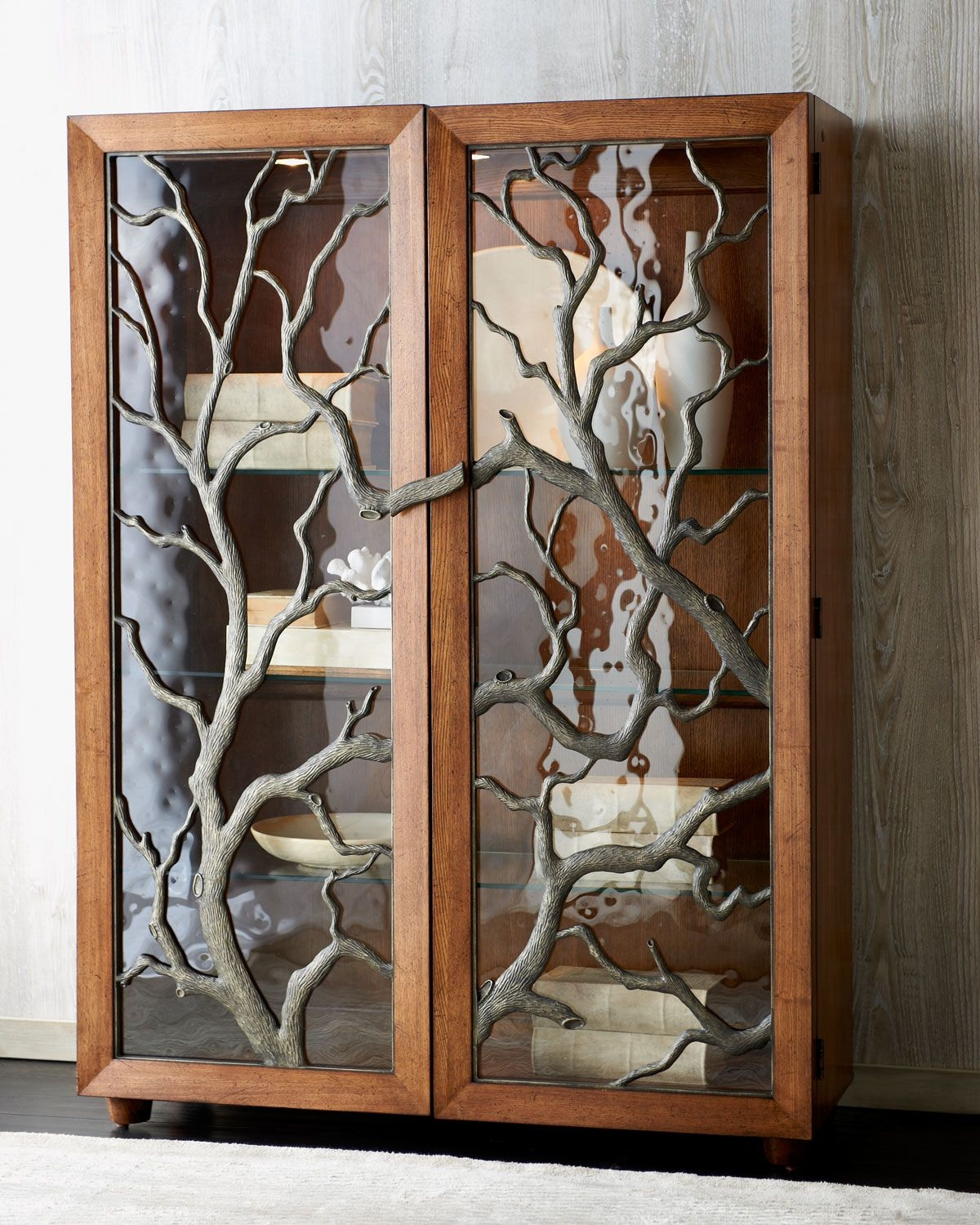
The afternoon sun cuts through unadorned floor-to-ceiling windows, casting sharp geometric shadows across an expanse of buttery micro-cement flooring. The room is a masterclass in restraint: pure white plaster walls, a low-slung linen sofa in an oyster gray hue, and absolute spatial breathing room. Yet, the eye does not wander aimlessly or feel starved for stimulus. Instead, it anchors immediately on a massive, low-profile console table crafted from reclaimed barn timber. The wood bears the scars of a century—saw marks, weathered knots, and a patina of faded blue, ochre, and sun-bleached red paint flecks trapped deep within the grain.
This friction between radical simplicity and chaotic, historical color is the quiet revolution currently reshaping high-end interior architecture. For years, the design world labored under the rigid tyranny of matched sets and single-note palettes. Minimalism promised serenity but frequently delivered clinical coldness, leaving homes feeling like uninhabited art galleries. Meanwhile, traditional rustic design offered warmth and personality, but often drowned rooms in heavy, dark wood and visual clutter.
Enter the unexpected marriage of minimalist frameworks and multi-color rustic finishes. Designers are utilizing the raw, chromatic complexity of aged, distressed materials to puncture the sterile white void of modern architecture. This juxtaposition does more than simply look visually striking; it addresses a fundamental human craving for tactile history and organic grounding within contemporary living spaces. By introducing a single, high-impact piece with a weathered, multi-hued patina, a minimalist room transforms from a sterile architectural exercise into a deeply personal sanctuary.
The Anatomy of Aesthetic Friction: Why Pure Minimalism Needs Imperfection
Minimalism has always run the risk of alienating the human nervous system. When a room strips away ornamentation, crown molding, color variation, and tactile layers, it reduces visual noise to zero. For a stressed brain escaping the digital onslaught of the modern world, this quietude is initially intoxicating. However, prolonged exposure to featureless, monochromatic rooms can trigger sensory deprivation and psychological fatigue. Human beings are biologically wired to seek out organic patterns, fractal variations, and historical cues that signal safety and habitation.
This is where rustic multi-color finishes step in as a biological corrective. A piece of wood, plaster, or forged metal that displays layers of old paint, oxidation, and weathering acts as a visual anchor. It introduces a micro-narrative into an otherwise silent space. When an interior designer places a distressed, multi-toned cabinet against a stark drywall partition, they are creating what design theorists call controlled visual tension. The starkness of the minimalist envelope highlights the rich, chaotic history of the finish, while the calm background prevents the rustic element from sliding into rustic clutter.
Furthermore, multi-color rustic finishes carry an inherent depth that flat, modern paints cannot replicate. Decades of exposure to sun, wind, moisture, and human hands create a layered chromatic depth—faded indigos, oxidized coppers, warm umbers, and chalky whites—that shifts as the natural light changes throughout the day. This dynamic color play prevents minimalist rooms from feeling static. The space breathes, responding to shifts in weather and time in a way that rigidly monochromatic interiors never could.
Mastering the Scale and Placement of Distressed Surfaces in Open-Plan Spaces
Integrating multi-color rustic finishes into a minimalist environment requires surgical precision. Because minimalist rooms rely heavily on negative space, every object added carries immense visual weight. Throw a dozen rustic items into a clean room, and you instantly destroy the minimalism, regressing into a chaotic country cabin aesthetic. The secret lies in the rule of singular impact: curate one or two focal points where the rustic multi-color finish can command the room without competition.
Consider the living room layout. In a space defined by a floating modular sofa, polished concrete floors, and track lighting, a single large-scale element—such as a sliding barn door fashioned from reclaimed Mexican painted timber—changes the entire atmospheric temperature of the room. The door functions almost like an abstract expressionist painting mounted on the wall. Its faded turquoise and coral tones pull the neutral elements of the room together, echoing the subtle warmth of an exposed brick hearth or a leather accent chair without requiring matching colors elsewhere.
Designers also look closely at the tactile scale of these finishes. The texture must feel honest. Manufactured "distressed" furniture, created with chemical sanding blocks and uniform gouges, reads as cheap and unconvincing in a clean architectural setting. True rustic finishes carry the honest weight of age—undulating surfaces, nail holes, uneven distressing, and organic fading that only time and weather can produce. When paired with the razor-sharp lines of modern cabinetry or architectural steel, these authentic flaws create a dialogue between human craftsmanship and industrial precision.
A Practical Methodology for Balancing Rustic Finishes with Minimalist Architecture
Achieving this high-contrast aesthetic without making a room look disjointed or confused demands a systematic approach. The transition from concept to execution relies on maintaining strict proportional and tonal boundaries.
- Step 1 (Establish the Neutral Foundation): Begin by finalizing your minimalist shell. Keep walls, floors, and primary structural elements in neutral, low-saturation tones such as chalk white, warm greige, pale limestone, or micro-cement to maximize light reflection.
- Step 2 (Select a Single Anchor Piece): Choose one dominant rustic multi-color element per zone—such as a dining table made from reclaimed scaffolding planks, an antique Indian dowry chest, or a weathered timber media console—to serve as the emotional centerpiece.
- Step 3 (Edit the Surrounding Decor): Remove all competing decorative accessories. Minimalist rooms require ample negative space; do not clutter the surface of your rustic statement piece with decorative trinkets that dilute its visual impact.
- Step 4 (Bridge the Color Palette): Extract one or two subtle secondary tones from your multi-color rustic finish—perhaps a muted sage or a faded rust—and echo them sparingly through textiles like raw linen throw pillows or hand-thrown ceramics.
- Step 5 (Balance Textural Temperatures): Pair heavy, warm rustic woods and patinated metals with cool, modern structural elements like matte black steel frames, glass partitions, or frameless architectural doors to maintain equilibrium.
Navigating Common Pitfalls When Mixing Historic Patinas with Modern Lines
Even seasoned designers occasionally stumble when merging eras and textures. The most frequent misstep is falling into the trap of thematic pastiche, where a minimalist room suddenly looks like a themed western saloon or a coastal beach shack simply because of a single distressed console. Avoiding this requires understanding where the boundaries of restraint lie.
- Pitfall 1 (The Theme Park Effect): Overloading a room with multiple rustic, distressed items turns a sophisticated modern interior into a literal theme park. Workaround: Adhere strictly to the one-to-two rustic accent rule per room, ensuring the vast majority of the space remains clean, modern, and uncluttered.
- Pitfall 2 (Faux Distressing Fails): Using factory-distressed furniture with repetitive, machine-stamped wear marks completely shatters the authenticity required in minimalist spaces. Workaround: Source genuine reclaimed timber, vintage architectural salvage, or custom artisan pieces finished with traditional milk paints and natural waxes.
- Pitfall 3 (Tonal Clashing): Introducing rustic finishes that clash fundamentally with the underlying undertones of the minimalist shell—such as pairing a heavy, orange-hued golden oak with cool, blue-based stark white walls. Workaround: Match temperature zones; pair cool-toned weathered woods and zinc with cool grays, and warm, multi-color painted woods with creamy, warm whites.
- Pitfall 4 (Loss of Functionality): Prioritizing visual roughness over ergonomic utility, resulting in splintering table surfaces or cabinet doors that fail to close smoothly. Workaround: Seal rustic wooden surfaces with matte, low-VOC polyurethane or hardwax oils to ensure modern livability while preserving the raw tactile appearance.
- Pitfall 5 (Visual Overcrowding): Placing patterned or heavily textured rustic items against complex backdrops like patterned wallpaper or busy stone accent walls. Workaround: Always anchor multi-color rustic finishes against flat, uninterrupted solid-color surfaces to let the chromatic variation shine.
The Psychological Shift Toward Soulful, Imperfect Modernism
The growing popularity of pairing multi-color rustic finishes with minimalist architecture is not merely a fleeting stylistic trend; it reflects a broader cultural pivot in how people want to experience their homes. For decades, design was dominated by mass-produced perfection and hyper-glossy surfaces that projected an image of effortless, untouchable wealth. As life has accelerated and digitized, the domestic sphere has taken on a new psychological mandate: it must act as an antidote to digital fatigue.
When people walk into a home that balances pristine architectural lines with the soulful, worn-in imperfections of multi-color rustic furniture, their nervous system responds differently. The contrast communicates resilience, time passing, and human history. It tells the occupant that perfection is not the goal of living; rather, authenticity, comfort, and character are paramount. This design philosophy honors the sleek efficiency of modern engineering while keeping its feet firmly planted in the rich, messy reality of the natural world.
Furthermore, this approach aligns seamlessly with modern sustainability values. By rescuing old timber, architectural salvage, and vintage painted furniture and integrating them into contemporary architectural shells, designers are championing a circular economy of design. Instead of consuming freshly harvested materials processed in anonymous factories, homeowners are investing in pieces with existing carbon histories that only get more beautiful with age.
Crafting Your Own Harmonious Balance of History and Simplicity
Implementing this design direction in your own home requires a shift in how you view interior curation. Stop looking for matching suites of furniture. Instead, think of your home as a curated collection of contrasts where each element highlights the virtues of the other. Let your walls and large structural surfaces provide absolute calm and clarity, and reserve your moments of vibrant, rustic history for the pieces you touch and use every day.
Start small if necessary. If you live in a sleek apartment with polished concrete and white drywall, do not gut your interior overnight. Introduce a single, beautifully weathered multi-color bench in the entryway, or swap a contemporary dining table for a reclaimed wood piece featuring faded layers of old paint. Notice how the space changes. Watch how the morning light catches the grain and how the clean lines of your existing furniture suddenly gain a sharper, more intentional definition against the rustic backdrop.
Ultimately, the marriage of rustic multi-color finishes and minimalist rooms proves that contrast is the lifeblood of compelling interior design. By allowing opposing design philosophies to converse rather than compete, you create spaces that are simultaneously modern and timeless, peaceful and vibrant, austere and profoundly alive.
The dialogue between minimalist architecture and rustic multi-color finishes reminds us that great design lives in the spaces between extremes. We no longer have to choose between the cold efficiency of modernism and the heavy nostalgia of traditional rustic spaces. The future belongs to hybrid interiors that honor both our need for mental clarity and our deep biological hunger for history, texture, and color.
As architectural practices continue to evolve, expect to see even more sophisticated fusions of high-tech materials—like smart glass, carbon fiber, and micro-thin metals—paired directly with ancient, patinated organic surfaces. This ongoing evolution challenges us to look closer at our living spaces, to value authenticity over gloss, and to build homes that do not just look immaculate in photographs, but feel genuinely restorative to inhabit day after day.


