
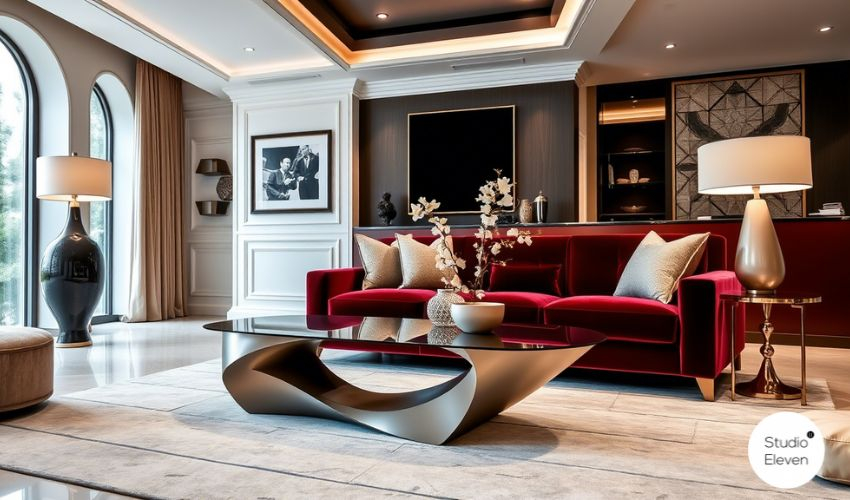
Ever walked into a tiny apartment and felt… expansive? It’s a weird sensation, right? You’d expect the four walls to close in, but instead, you feel calm. Organized. Maybe even a little inspired. That’s not magic. It’s design. Specifically, it’s the art of making every single inch pull its weight without looking like you’re trying too hard. We’ve all been there—staring at a corner that’s just collecting dust bunnies and regret, wondering where on earth your winter coats are supposed to go. Or maybe you’re tired of tripping over shoes by the door because the "entryway" is actually just a patch of floor next to the fridge.
Living small doesn’t mean living with less style. In fact, some of the most beautiful homes I’ve seen are the ones under 500 square feet. Why? Because when you have limited space, you can’t afford clutter. You have to be intentional. You have to choose what stays and what goes. And more importantly, you have to figure out how to show off the things you love while hiding the stuff you don’t. It’s a balancing act. But here’s the good news: you don’t need a renovation budget or a degree in architecture to pull it off. You just need a few clever tricks and a shift in perspective. Let’s dive into how you can turn your compact space into a place that breathes.
Start With Your Habits, Not Your Shelves
Before you buy a single bin or hang a floating shelf, stop. Take a breath. Look around. Most people make the mistake of buying storage solutions before they understand their own rhythm. They see a cute basket on Instagram and think, "That’ll fix my mess." But if that basket doesn’t fit where your mess actually happens, it’s just another thing to dust. Designers like Alexandra Gater, who’s been featured in Architectural Digest, always say the same thing: live in your layout first. Watch yourself. Where do you drop your keys? Really. Not where you wish you dropped them, but where they actually land. Is it on the counter? The floor? The back of a chair?
Track these micro-moments for a week. Notice where your phone charger lives (is it tangled behind the sofa?). See where your mail piles up. Observe where you eat breakfast. These aren’t just habits; they’re data points. They tell you exactly where storage needs to be. If your keys always end up on the kitchen counter, don’t force yourself to use a hook by the front door. Put a small, elegant tray on the counter. Make it easy. Make it natural. When storage aligns with your actual behavior, it stops feeling like a chore and starts feeling like part of your home. This approach saves you money, too. No more buying organizers that sit unused in a closet because they didn’t solve the real problem.
Think about your daily flow. Do you grab a book before bed? Then nightstand storage matters more than a big bookshelf across the room. Do you cook every night? Then pot racks and drawer dividers are your best friends, not a decorative pantry jar set. By observing first, you’re designing for you, not for a magazine spread. And that’s where the elegance comes in. It’s not about having everything hidden away; it’s about having everything in its right place. When things are easy to put away, they stay away. It’s that simple. And when your space works with you, instead of against you, the whole vibe changes. You feel lighter. Less frantic. More in control.
Go Vertical: The Wall Is Your Best Friend
Floor space is precious. In a small apartment, every square foot of floor real estate counts. So, why are we still putting so much stuff on the ground? The answer is simple: look up. Walls are vastly underutilized in most small spaces. They’re just blank canvases waiting to hold your life. Floating shelves are the obvious choice, sure, but let’s talk about how to do them right. Don’t just slap up a plank and call it a day. Think about composition. Mix open shelving with closed cabinets. Use the open spots to display things that bring you joy—a ceramic vase, a stack of art books, a small plant. Keep the closed cabinets for the ugly stuff. The bills. The extra toilet paper. The vacuum cleaner attachments.
But it’s not just about shelves. Think vertically in other ways too. Hang curtains high. Like, really high. Mount the rod close to the ceiling, not just above the window frame. This draws the eye upward and makes the room feel taller. It’s a classic trick, but it works like a charm. Same goes for artwork. Hanging pieces at eye level is standard advice, but in a small space, going slightly higher can create a sense of airiness. Just don’t go so high that you need a ladder to appreciate it. Balance is key. You want the room to feel connected, not disjointed.
Consider wall-mounted desks or fold-down tables. These are game-changers for tiny offices or dining nooks. When you’re done working or eating, the table folds flat against the wall. Poof. The space is back. Resource Furniture has been pioneering this kind of modular, transformable design for years, and in 2026, the options are better than ever. Sleek, minimalist, and surprisingly sturdy. You don’t have to sacrifice function for form. You can have a full-sized desk that disappears when you need room to yoga. Or a dining table that tucks away so you can host a movie night. The wall isn’t just a boundary; it’s a tool. Use it to lift your life off the floor and give your eyes somewhere beautiful to rest.
Hidden Gems: Furniture That Does Double Duty
Let’s talk about furniture. In a small space, every piece needs to earn its keep. If a chair is just a chair, it’s wasting potential. Look for pieces that hide storage inside them. Ottomans with lids are classic, but don’t stop there. Think beds with drawers underneath. Yes, they’re heavier to move, but the payoff is huge. That’s where your off-season clothes can live. Or your extra linens. Or that box of old photos you can’t bear to throw away but don’t need to see every day. Under-bed storage is prime real estate. Don’t let it go to waste.
Sofas with chaise lounges that open up are another smart pick. You’d be surprised how much stuff fits in there. Blankets, pillows, board games. It’s like having a secret compartment in your living room. And let’s not forget about nesting tables. They’re perfect for small living rooms because you can spread them out when you have guests and tuck them away when you’re alone. They’re flexible. Adaptable. Just like you need your home to be. The key is to choose pieces that look good even when they’re not "working." An ottoman should still look stylish when it’s closed. A bed frame should still look sleek even if it has drawers.
Modular furniture is also having a moment in 2026. Systems that let you add or remove components as your needs change. Maybe you start with a basic shelving unit, then add a desk module later. Or maybe you swap out a cabinet for a bench. This flexibility is crucial in small spaces because your life changes. You might work from home one year, then travel the next. Your furniture should be able to keep up. Don’t lock yourself into a rigid setup. Choose pieces that can evolve. It’s an investment in adaptability. And honestly, it’s just more fun. There’s something satisfying about rearranging your space to fit a new chapter in your life. It makes the home feel alive. Responsive. Yours.
The Beauty of Display: Curate, Don’t Clutter
Storage isn’t just about hiding things. It’s also about showing them off. But here’s the catch: display only works if it’s curated. If you put everything out, it looks like clutter. If you put a few special things out, it looks like design. So, how do you decide what stays? Ask yourself: does this object bring me joy? Does it tell a story? Is it beautiful? If the answer is no, hide it or let it go. Be ruthless. Your small space is a gallery, not a warehouse. Treat it with that level of care.
Group similar items together. Books look better when they’re arranged by color or size. Ceramics look better when they’re clustered on a single shelf. Create vignettes. A small stack of books, a candle, and a framed photo. That’s a vignette. It’s a little scene that draws the eye and creates interest. Don’t scatter things randomly. Intentionality is what separates elegance from mess. And remember, negative space is your friend. Leave some shelves empty. Let the wall breathe. It gives the eye a place to rest and makes the displayed items pop more. It’s counterintuitive, but less is often more.
Lighting plays a huge role here too. A well-placed lamp or a strip of LED lights under a shelf can highlight your displays and make the space feel warmer. In 2026, smart lighting is affordable and easy to install. You can change the color temperature depending on the time of day. Cool light for working, warm light for relaxing. It adds layers to your space. Depth. Dimension. It makes your small apartment feel bigger because it breaks up the shadows. Don’t underestimate the power of a good bulb. It can turn a dark corner into a cozy nook. It can make your displayed treasures glow. It’s the final touch that ties everything together.
Zone Without Walls: Creating Flow in Tight Quarters
In a studio or a small one-bedroom, you don’t have the luxury of separate rooms. So, how do you create distinct areas for sleeping, working, and living? You zone with furniture and rugs. A rug can define a living area. Place it under your sofa and coffee table, and suddenly, that’s a "room." A bookshelf can act as a divider between your bed and your desk. It provides privacy without blocking light. Airy, open shelving is better than a solid wall because it keeps the space feeling open. You can see through it. Light passes through. It’s a visual barrier, not a physical one.
Screens are another great option. Folding screens can be moved around as needed. Want to hide your bed during the day? Pull the screen across. Want to open up the space for a party? Fold it away. They’re versatile. Decorative. And they add texture to the room. Choose a screen with a pattern or material you love. It’s not just a functional item; it’s a piece of art. Same goes for plants. A tall fiddle leaf fig or a snake plant can soften the boundary between zones. It adds life. Greenery. It makes the transition from one area to another feel natural.
Think about traffic flow too. Can you walk easily from the door to the kitchen? From the bed to the bathroom? Don’t block pathways with furniture. Keep the main routes clear. It makes the space feel larger and more functional. If you’re constantly bumping into things, you’ll feel cramped. Even if the square footage is the same. It’s about perception. A clear path feels open. A cluttered path feels closed. So, keep the floors visible. Let the eye travel. It’s a subtle trick, but it makes a big difference in how spacious your home feels. And when your home feels spacious, you feel more relaxed. More at ease.
Here’s the truth: no storage solution works if you don’t maintain it. Organization isn’t a one-time event. It’s a habit. Spend five minutes each day tidying up. Put things back where they belong. Clear off surfaces. It’s easier to maintain order than to restore it. And don’t be afraid to edit. As you live in your space, you’ll learn what works and what doesn’t. Maybe that basket by the door isn’t useful. Maybe those shelves are too high. Adjust. Tweak. Your home should evolve with you. It’s a living thing.
Adopt a mindset of "one in, one out." If you buy a new shirt, donate an old one. If you get a new gadget, recycle the old one. This prevents clutter from creeping back in. It keeps your space balanced. And remember, perfection isn’t the goal. Functionality is. Beauty is. But not at the expense of your sanity. If a system is too complicated, you won’t use it. Keep it simple. Keep it accessible. Make it easy to do the right thing.
Finally, enjoy your space. Don’t just tolerate it. Celebrate it. Add personal touches. Hang art you love. Light candles. Play music. Make it yours. A small space can be a sanctuary. A place of peace. A place of creativity. It doesn’t have to feel limiting. It can feel liberating. When you master the art of elegant storage, you free up more than just square footage. You free up mental space. You create room to breathe. To think. To live. And isn’t that what home is all about?
So, take a look around. What’s one small change you can make today? Maybe it’s clearing off a surface. Maybe it’s hanging a shelf. Maybe it’s just taking a moment to appreciate the space you have. Start small. Build from there. You’ve got this. Your home is waiting to shine.


