
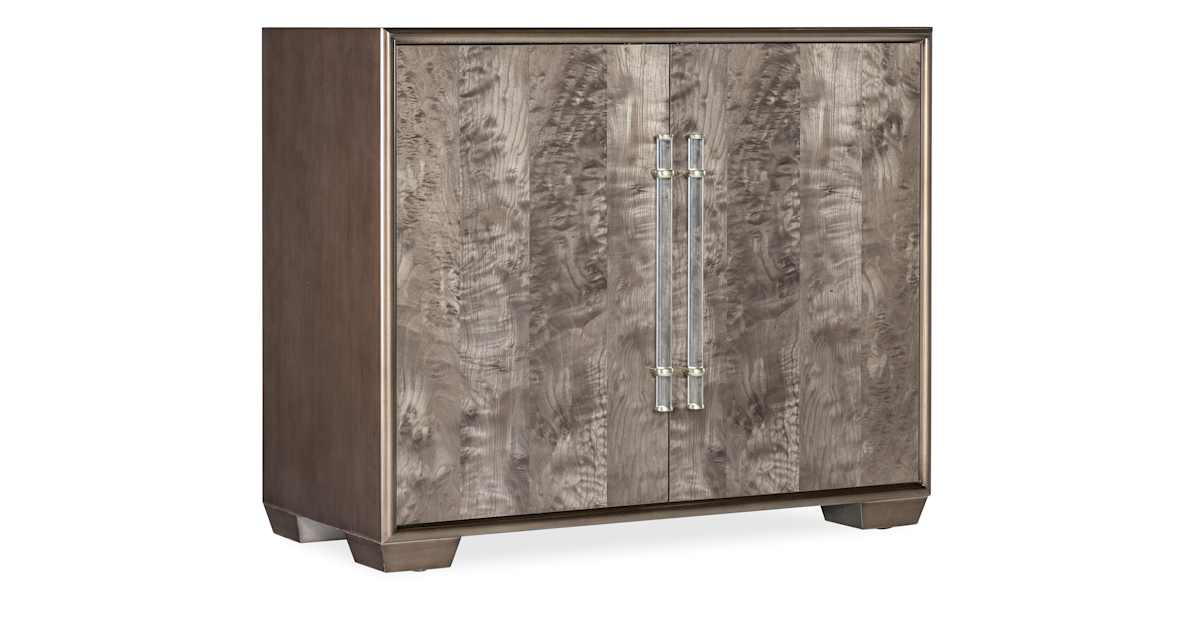
Let’s start with the basics. Burl wood comes from a tree that has grown abnormally due to stress, injury, or disease. This creates a knotted, swirling grain that looks almost like a fingerprint—unique and never repeated. The result is a wood that stands out from the crowd.
In terms of aesthetics, burl wood is all about irregularity. Unlike regular timber, it doesn’t follow predictable lines. Instead, it swirls, twists, and sometimes even forms eyes or spirals that catch light differently. This gives it a kind of hypnotic quality that many designers and homeowners love.
The appeal isn’t just visual, either. There’s a nostalgic charm tied to burl wood. It was popular in the 18th century and saw a resurgence during the mid-century modern movement. In 2026, it’s making a full-circle return—not just as a nod to history, but as a statement of taste.
Now let’s talk about maple veneer, which is often paired with burl to create stunning effects. Maple is known for its clean, creamy tone and its ability to take on various figures—like curly, birdseye, and especially, burl.
Maple veneer is not just beautiful—it’s also practical. It’s commonly used in high-end cabinetry, musical instruments, and even flooring. Its durability and consistency make it a favorite for those who want something lasting and elegant.
What makes maple particularly interesting is how it can be processed into different figures. For example, curly maple shows wavy grain lines that dance across the surface, while birdseye maple features tiny dots that resemble eyes. Then there’s maple burl, which brings the most dramatic swirls and patterns.
And if you think maple is just a simple wood, think again. In 2026, designers are experimenting with engineered maple veneer—a version that mimics the look of quarter-sliced maple but with more uniform grain. It’s ideal for sustainable projects where consistency matters, but still delivers that signature maple warmth.
The Rise of Burl and Maple in Contemporary Design
If you walk into a high-end interior designer’s showroom today, you’ll notice a lot of burl and maple combinations. These materials are no longer reserved for luxury furniture alone—they’re showing up in coffee tables, credenzas, shelving units, and even kitchen backsplashes.
Take the Bruno Credenza from Arterior Home, for instance. It uses tortoise burl and maple veneer, creating a striking contrast that works beautifully in modern settings. The combination brings both visual drama and a sense of timeless sophistication.
Designers today are drawn to the textural richness that burl wood adds. In 2026, it’s not just about looking good—it’s about feeling good too. The unpredictable nature of burl means that every piece is a conversation starter, whether it’s in a minimalist living room or a rustic dining area.
Why Burl and Maple Are Here to Stay
There’s more to this trend than meets the eye. Burl wood is inherently rare, and that rarity adds value. It’s not mass-produced like regular lumber, which means that each piece tells a story. Whether it’s a walnut burl or a red maple burl, the material carries a sense of uniqueness that’s hard to replicate.
In 2026, maple veneer continues to evolve. New processing techniques allow manufacturers to create more consistent and affordable options. But even the most affordable maple veneer still retains that warm, clean aesthetic that makes it so versatile.
One of the best things about both materials is their versatility. They work well in both traditional and modern interiors. Want to add a splash of wildness to a sleek, contemporary space? Try a burl accent wall. Need something subtle but elegant for a dining table? Maple veneer does the trick.
Also, there’s a growing interest in sustainability. Many manufacturers are turning to engineered and reclaimed versions of burl and maple veneer. This ensures that the beauty of these woods can continue to grace homes without harming forests.
How to Choose and Care for Burl and Maple Veneer
Choosing the right piece isn’t just about looking at it—it’s about understanding what you’re getting. When shopping for furniture with burl or maple veneer, ask yourself a few questions:
- Is the veneer applied properly? Good veneer should look seamless and not flake off easily.
- Does the wood have a consistent color? While burl is naturally irregular, the overall tone should feel intentional.
- Is it suitable for your lifestyle? If you have kids or pets, consider how the wood will hold up over time.
Caring for these pieces is straightforward, but it does require attention. Avoid extreme temperatures or humidity, and always use coasters or trivets to protect the surface. Regular cleaning with a soft cloth and mild soap is usually enough to keep them looking fresh.
For those who are serious about maintaining the beauty of burl and maple, periodic polishing with a wood-safe product can help preserve the luster. Some people even choose to apply a light coat of beeswax to enhance the natural grain patterns.
There’s something deeply satisfying about choosing furniture that feels alive. It’s not just about the shape or the color—it’s about the story behind the wood. Whether it’s the way a maple burl catches the light or the way a walnut burl seems to move across a surface, these woods speak to us in ways that plain wood simply cannot.
In 2026, the resurgence of figured burl and maple veneer isn’t just a passing fad. It’s a celebration of craftsmanship, history, and the joy of finding something truly unique. These materials offer a bridge between the past and the present, giving your home a touch of artistry and personality that can’t be bought anywhere else.
So next time you’re browsing for new furniture, don’t overlook the subtle beauty of a burl or maple veneer piece. It might just be the one that transforms your space from ordinary to extraordinary.
[sps_html tag=”img” src=”https://marcpauze.com/wp-content/uploads/2026/04/hooker-furniture-628-85711-05-melange-42-wide-3-drawers-wood-accent-with-regard-to-hooker-furniture-628-85719-melange-41w-maple-accent-cabinet-medium-wood.jpg” alt=”Hooker Furniture 628-85711-05 Melange 42" Wide 3 Drawers Wood Accent … with regard to Hooker Furniture 628-85719 Melange 41"W Maple Accent Cabinet - Medium Wood” style=”width: 100%; height: auto;”]
[sps_html tag=”img” src=”https://marcpauze.com/wp-content/uploads/2026/04/hooker-furniture-628-85719-89-melange-41-wide-maple-accent-cabinet-regarding-hooker-furniture-628-85719-melange-41w-maple-accent-cabinet-medium-wood.jpg” alt=”Hooker Furniture 628-85719-89 Melange 41" Wide Maple Accent Cabinet … regarding Hooker Furniture 628-85719 Melange 41"W Maple Accent Cabinet - Medium Wood” style=”width: 100%; height: auto;”]
[sps_html tag=”img” src=”https://marcpauze.com/wp-content/uploads/2026/04/hooker-furniture-628-55013-80-melange-80-wide-3-door-1-drawer-maple-regarding-the-evolution-of-the-melange-series-and-its-impact-on-interior-design-trends-in-2026.jpg” alt=”Hooker Furniture 628-55013-80 Melange 80" Wide 3 Door 1 Drawer Maple … regarding The evolution of the Melange series and its impact on interior design trends in 2026″ style=”width: 100%; height: auto;”]
[sps_html tag=”img” src=”https://marcpauze.com/wp-content/uploads/2026/04/hooker-furniture-628-85634-49-melange-50-wide-wood-veneer-accent-throughout-hooker-furniture-628-85719-melange-41w-maple-accent-cabinet-medium-wood.jpg” alt=”Hooker Furniture 628-85634-49 Melange 50" Wide Wood Veneer Accent … throughout Hooker Furniture 628-85719 Melange 41"W Maple Accent Cabinet - Medium Wood” style=”width: 100%; height: auto;”]
[sps_html tag=”img” src=”https://marcpauze.com/wp-content/uploads/2026/04/hooker-furniture-628-50134-15-melange-38-wide-maple-veneer-accent-in-the-evolution-of-the-melange-series-and-its-impact-on-interior-design-trends-in-2026.jpg” alt=”Hooker Furniture 628-50134-15 Melange 38" Wide Maple Veneer Accent … in The evolution of the Melange series and its impact on interior design trends in 2026″ style=”width: 100%; height: auto;”]


