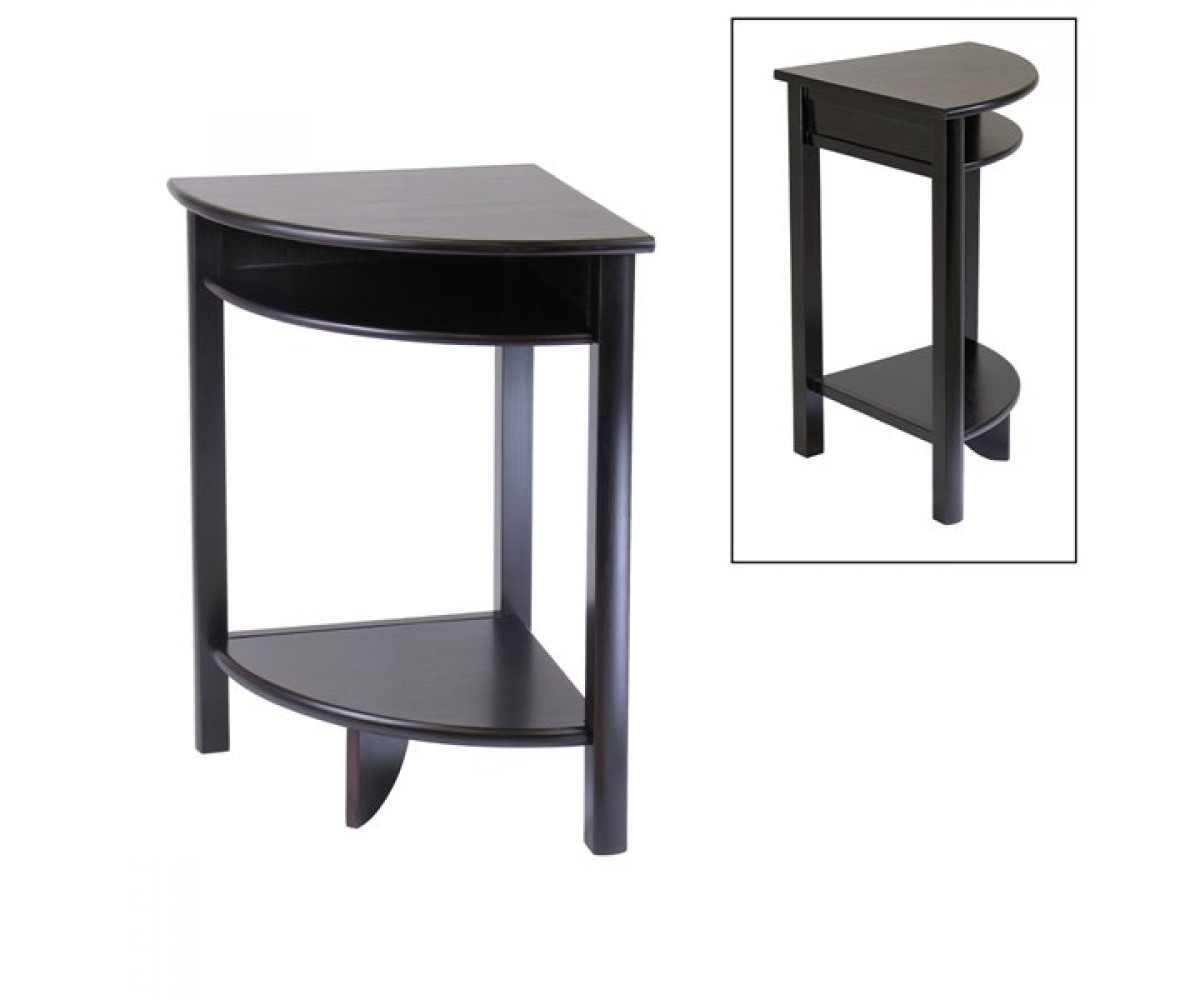
Picture this: You’re sitting in your favorite chair, sipping coffee, when you realize something crucial is missing. Your phone, book, or glass of wine is just out of reach. Enter corner end tables – those often overlooked pieces that can completely transform your living space. They’re not just furniture; they’re silent architects of comfort and style.
When we think about living room design, our minds often jump straight to sofas, coffee tables, and entertainment centers. But there’s a subtle player that quietly makes a massive impact – the corner end table. These versatile pieces sit in the often-forgotten corners of our homes, yet they serve as crucial elements in creating balanced, functional, and aesthetically pleasing spaces. Whether you’re designing a new home or refreshing an existing one, understanding how corner end tables work within your overall layout can make all the difference between a good space and a great one. They’re like the unsung heroes of interior design, quietly solving problems and adding charm where you least expect it.
Understanding Corner End Table Functionality
Corner end tables aren’t just about placing things on top of them. They’re strategic solutions to spatial challenges. Think about it – every living room has those awkward corners that seem to invite dust collectors rather than useful furniture. These tables turn those dead zones into productive areas. They offer multiple benefits that go beyond simple storage. First, they provide surface area for essentials like lamps, books, or remote controls. Second, they create visual balance in the room. A corner table on one side of a sofa helps counterbalance the visual weight of a large entertainment unit on the other side. Third, they add dimension to the space. A well-placed corner table can make a room feel more spacious and thoughtfully designed rather than simply filled with furniture.
Size Matters: Choosing the Right Scale
One of the most common mistakes in corner table placement is choosing the wrong size. A table that’s too big can overwhelm a small corner and make the entire room feel cramped. Conversely, a table that’s too small might get lost among larger furniture pieces. The golden rule is to consider the room’s proportions and the corner’s dimensions. For smaller rooms, opt for compact tables that maintain the sense of openness. In larger spaces, you have more flexibility to experiment with bigger pieces. Measure your available corner space carefully. Most corner tables should be roughly 18-24 inches wide to avoid feeling too cramped or too dominant. Consider the height as well – a table that’s too tall can create visual imbalance. A good rule of thumb is that the table top should be at or slightly below eye level when seated.
Style Integration: Matching Your Existing Design
Modern living spaces thrive on cohesion, and corner end tables play a pivotal role in maintaining that visual harmony. The table’s style should complement your existing furniture rather than clash with it. If you have sleek, contemporary pieces, choose a corner table with clean lines and minimalist appeal. For traditional homes, consider wood tones and ornate details that echo your existing aesthetic. The material matters too – glass tables can make a room feel lighter and more open, while wood adds warmth and texture. Metal frames bring industrial chic, and stone tops offer a touch of luxury. Don’t forget about color coordination. Neutral tones like beige, gray, or white tend to blend seamlessly, while bold colors can serve as statement pieces that anchor the entire space.
Practical Placement Strategies
Where exactly should you place your corner end table? The answer depends on your room’s layout and intended function. Generally, position it so that it’s easily accessible from your primary seating area. It should be within arm’s reach, but not so close that it becomes an obstacle. A good distance is typically 12-18 inches from the edge of your sofa. Consider traffic flow – make sure people can walk around the table without bumping into it. Some designers prefer placing corner tables opposite seating areas to create conversation zones. Others find success using them as visual anchors in empty corners. The key is to let the table enhance rather than interrupt the natural flow of your space. Experiment with different positions during the day, observing how people move through the room.
Storage Solutions Beyond Surface Area
Many corner end tables are more than just decorative pieces. They often incorporate storage solutions that maximize the utility of those hard-to-use corner spaces. Drawers can hold remote controls, books, or even seasonal items. Shelves provide display opportunities for plants, books, or decorative objects. Some models feature hidden compartments for valuables or important documents. The trick is to choose storage options that match your lifestyle needs. If you’re a book lover, prioritize shelving over drawers. If you’re more of a clutter manager, look for tables with multiple drawers. Consider how often you’ll use the storage features – if you rarely access them, maybe focus more on surface area. The best corner tables offer a balance between form and function, serving both aesthetic and practical purposes.
Current Trends and Design Innovations
The world of corner end tables is constantly evolving, with new trends emerging each season. One popular trend is the multi-functional approach – tables that serve several purposes simultaneously. Some models combine storage with lighting, featuring built-in LED strips or lamp bases. Others incorporate charging stations for electronics, recognizing our digital age’s demands. Sustainable materials are also gaining popularity, with reclaimed wood and eco-friendly finishes becoming more mainstream. Geometric shapes are replacing traditional rectangular forms, adding visual interest to corners. Some designers are experimenting with asymmetrical designs that create dynamic focal points. Smart technology integration is another growing trend, with tables featuring wireless charging pads and built-in speakers. These innovations show how corner end tables continue to adapt to modern living requirements while maintaining their fundamental role in space planning.
Corner end tables may seem like small details in the grand scheme of interior design, but their impact on living space planning cannot be understated. They transform awkward corners into functional areas, bridge design gaps, and add that final touch of personality to any room. When you’re planning your next living space renovation or simply looking to optimize your current setup, remember that these often-overlooked pieces can make a significant difference. Whether you choose a minimalist design or a bold statement piece, the right corner end table will enhance your space’s functionality while reflecting your personal style. The key is to approach the selection process thoughtfully, considering scale, style, and purpose. With careful consideration, these humble tables can become the unsung heroes that make your living space truly exceptional. After all, some of the most beautiful and functional rooms are created not by the flashy pieces, but by the thoughtful integration of seemingly simple elements like corner end tables.
[sps_html tag=”img” src=”https://marcpauze.com/wp-content/uploads/2025/12/winsome-groveland-square-transitional-solid-wood-dining-table-in-light-pertaining-to-design-elements-that-define-modern-corner-table-aesthetics.jpg” alt=”Winsome Groveland Square Transitional Solid Wood Dining Table In Light … pertaining to Design elements that define modern corner table aesthetics” style=”width: 100%; height: auto;”]
[sps_html tag=”img” src=”https://marcpauze.com/wp-content/uploads/2025/12/winsome-benito-transitional-solid-wood-bed-tray-with-foldable-legs-in-throughout-design-elements-that-define-modern-corner-table-aesthetics.jpg” alt=”Winsome Benito Transitional Solid Wood Bed Tray With Foldable Legs In … throughout Design elements that define modern corner table aesthetics” style=”width: 100%; height: auto;”]
[sps_html tag=”img” src=”https://marcpauze.com/wp-content/uploads/2025/12/deluxecomfort-com-winsome-wood-92720-liso-corner-end-table-regarding-winsome-liso-transitional-solid-wood-corner-end-table-in-espresso.jpg” alt=”Deluxecomfort.com Winsome Wood 92720 Liso Corner End Table regarding Winsome Liso Transitional Solid Wood Corner End Table In Espresso” style=”width: 100%; height: auto;”]
[sps_html tag=”img” src=”https://marcpauze.com/wp-content/uploads/2025/12/winsome-linea-transitional-solid-wood-console-table-in-espresso-cymax-in-winsome-liso-transitional-solid-wood-corner-end-table-in-espresso.jpg” alt=”Winsome Linea Transitional Solid Wood Console Table In Espresso | Cymax … in Winsome Liso Transitional Solid Wood Corner End Table In Espresso” style=”width: 100%; height: auto;”]
[sps_html tag=”img” src=”https://marcpauze.com/wp-content/uploads/2025/12/winsome-toby-30-round-transitional-solid-wood-coffee-table-in-espress-in-design-elements-that-define-modern-corner-table-aesthetics.png” alt=”Winsome Toby 30 Round Transitional Solid Wood Coffee Table In Espress … in Design elements that define modern corner table aesthetics” style=”width: 100%; height: auto;”]


