
There’s something magical about the way mid-century modern design captures both nostalgia and forward-thinking elegance. When you walk into a bedroom that embodies these principles, you instantly feel a sense of calm and sophistication. This design movement, born in the 1950s and 60s, isn’t just a historical footnote—it’s very much alive and well in today’s bedroom spaces.
If you’ve ever found yourself drawn to a bedroom with clean lines, organic shapes, and that perfect balance between form and function, you’ve probably encountered the influence of mid-century modern design. This aesthetic movement, rooted in the post-war era, created a visual language that still speaks to our modern sensibilities. The beauty of mid-century modern lies not just in its visual appeal, but in its ability to create spaces that feel both grounded and contemporary. Think of it as design that never goes out of style, always finding new ways to adapt to our current living situations.
The Birth of Mid-Century Modern Design
Mid-century modern emerged from a unique time in history when designers were experimenting with new materials and manufacturing techniques. After World War II, there was a desire for optimism and accessibility in design. The movement was born from a blend of Scandinavian minimalism and American innovation. Furniture makers like Charles and Ray Eames, George Nelson, and Arne Jacobsen created pieces that were both beautiful and practical.
The key characteristics include clean geometric forms, natural materials like wood and leather, and a focus on functionality. These elements weren’t just aesthetic choices—they reflected a broader cultural shift toward simplicity and efficiency. What started as a response to wartime austerity became a celebration of good design that could be enjoyed by everyone.
Core Principles That Define the Look
What makes mid-century modern so recognizable? It’s all about those fundamental elements that work together in harmony:
• Organic shapes – Curved lines and natural forms rather than harsh angles
• Natural materials – Wood, leather, and textiles that feel warm and lived-in
• Clean lines – Simple, uncluttered silhouettes
• Functionality – Every piece serves a purpose
• Neutral color palette – Earth tones, whites, and muted colors
These principles aren’t just rules to follow—they’re guidelines for creating spaces that feel intentional and peaceful. The movement taught us that less can truly be more, especially when you’re designing a place where we spend a third of our lives.
Key Furniture Pieces You’ll Find in Modern Bedrooms
When you look at a contemporary bedroom inspired by mid-century modern design, certain pieces tend to appear again and again. The iconic side table with tapered legs, the low-profile bed frame with clean lines, and the statement chair that somehow feels both comfortable and sculptural.
Consider the classic Eames lounge chair—a piece that perfectly balances comfort with visual interest. Or the sleek nightstand that might have been designed in the 1950s but works just as well today. These pieces often become conversation starters because they’re both familiar and fresh. They tell a story about craftsmanship and intentionality that’s hard to ignore.
Even smaller items like lamps with organic shapes or woven baskets add that authentic touch. The idea isn’t to recreate the past exactly, but to capture the spirit of thoughtful design.
Color Schemes That Capture the Era’s Essence
The color choices in mid-century modern design reflect both the materials available at the time and the psychological need for warmth after years of wartime restrictions. You’ll typically see a palette dominated by earth tones like browns and beiges, accented with pops of teal, mustard yellow, or burnt orange.
These colors work because they’re grounding and inviting. They create a sense of stability and comfort that’s essential in a bedroom. Modern interpretations often simplify these palettes, using fewer colors but ensuring each one has impact. Think of it like choosing the right foundation for a makeup look—the base colors set everything else in motion.
Many designers today use this approach to create bedrooms that feel both sophisticated and approachable. The key is understanding that these colors aren’t just decorative—they’re part of the overall emotional experience of the space.
How to Incorporate These Elements Without Overdoing It
One of the most common mistakes people make when trying to achieve a mid-century modern look is going too far. It’s easy to get carried away with vintage pieces or exact reproductions. But the real magic happens when you take the essence of the style and apply it thoughtfully to your current situation.
Start small with one statement piece—a chair, a lamp, or a mirror—and build around it. Consider mixing vintage finds with modern furniture to create layers of interest. The goal isn’t to recreate a museum display but to create a home that feels lived-in and personal.
Remember that authenticity comes from intentionality. If you’re drawn to the clean lines and natural materials, focus on those aspects rather than trying to match every detail. The style will naturally evolve as you discover what works best for your lifestyle and preferences.
Why This Aesthetic Continues to Resonate Today
In our age of constant change and digital overload, there’s something deeply appealing about the deliberate pace of mid-century modern design. It asks us to slow down and appreciate the quality of materials and craftsmanship. This aesthetic speaks to our desire for spaces that feel authentic and well-made.
Modern bedrooms often struggle with feeling too clinical or too chaotic. Mid-century modern offers a middle ground that feels both contemporary and timeless. It’s a design philosophy that values both beauty and utility, which is why it appeals to people across different generations and lifestyles.
The movement also reflects our growing awareness of sustainability and mindful consumption. Choosing pieces that are built to last and designed with intention aligns with many people’s current values. When you invest in quality furniture and decor, you’re not just decorating a room—you’re creating a space that will serve you for years to come.
The influence of mid-century modern aesthetics on contemporary bedroom design isn’t just a trend—it’s a fundamental shift in how we think about creating spaces that support our well-being. This design movement gave us a blueprint for beauty that’s both functional and emotionally resonant. Whether you’re starting fresh or updating an existing space, the principles remain remarkably relevant.
The secret isn’t in copying the past exactly, but in understanding what made that era special and applying those lessons to your current life. That might mean choosing a few carefully selected pieces, or it might mean completely rethinking how you approach your bedroom as a sanctuary. Either way, the mid-century modern approach offers a path toward creating spaces that feel both familiar and fresh—exactly what we all want from our homes.
[sps_html tag=”img” src=”https://marcpauze.com/wp-content/uploads/2026/01/hooker-furniture-telluride-six-drawer-dresser-370-90-002-hooker-with-exploring-the-design-philosophy-of-traditional-wood-furniture-in-modern-homes.jpg” alt=”Hooker Furniture Telluride Six Drawer Dresser 370-90-002 | Hooker … with Exploring the design philosophy of traditional wood furniture in modern homes” style=”width: 100%; height: auto;”]
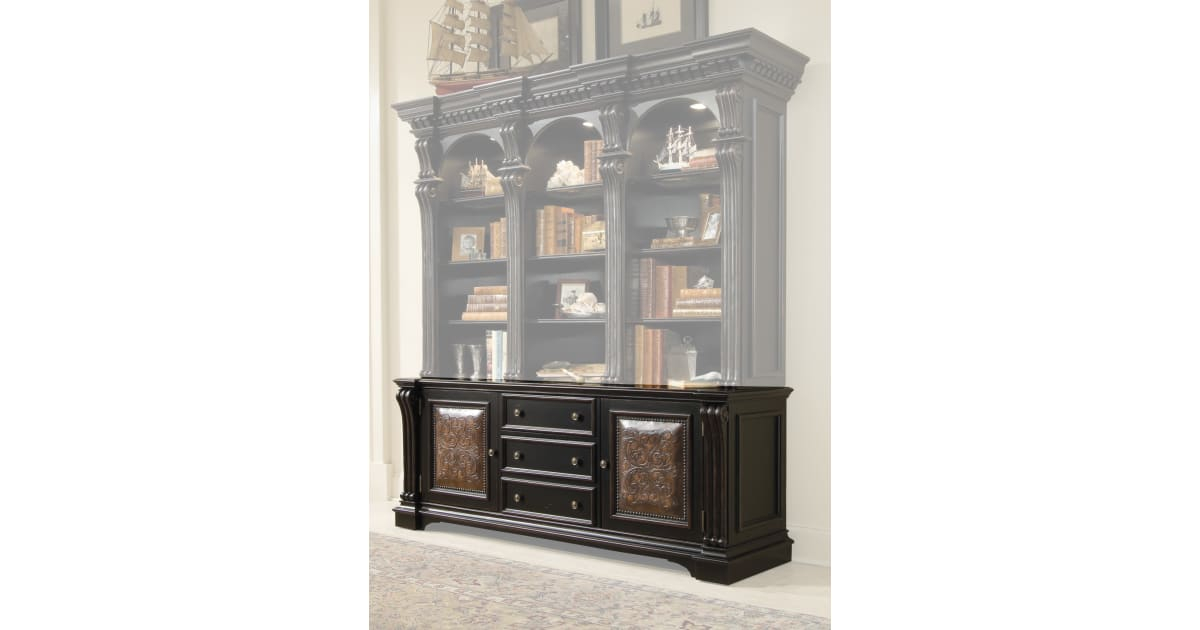
[sps_html tag=”img” src=”https://marcpauze.com/wp-content/uploads/2026/01/telluride-2-drawer-wood-lateral-file-cabinet-in-black-by-hooker-regarding-hooker-furniture-370-10-265-telluride-73w-2-drawer-cherry-veneer-black.jpg” alt=”Telluride 2 Drawer Wood Lateral File Cabinet In Black By Hooker … regarding Hooker Furniture 370-10-265 Telluride 73"W 2 Drawer Cherry Veneer - Black /” style=”width: 100%; height: auto;”]
[sps_html tag=”img” src=”https://marcpauze.com/wp-content/uploads/2026/01/hooker-furniture-370-10-265-telluride-73-wide-2-drawer-cherry-veneer-pertaining-to-exploring-the-design-philosophy-of-traditional-wood-furniture-in-modern-homes.jpg” alt=”Hooker Furniture 370-10-265 Telluride 73" Wide 2 Drawer Cherry Veneer … pertaining to Exploring the design philosophy of traditional wood furniture in modern homes” style=”width: 100%; height: auto;”]
[sps_html tag=”img” src=”https://marcpauze.com/wp-content/uploads/2026/01/telluride-2-drawer-wood-lateral-file-cabinet-in-black-by-hooker-pertaining-to-hooker-furniture-370-10-265-telluride-73w-2-drawer-cherry-veneer-black.jpg” alt=”Telluride 2 Drawer Wood Lateral File Cabinet In Black By Hooker … pertaining to Hooker Furniture 370-10-265 Telluride 73"W 2 Drawer Cherry Veneer - Black /” style=”width: 100%; height: auto;”]


