
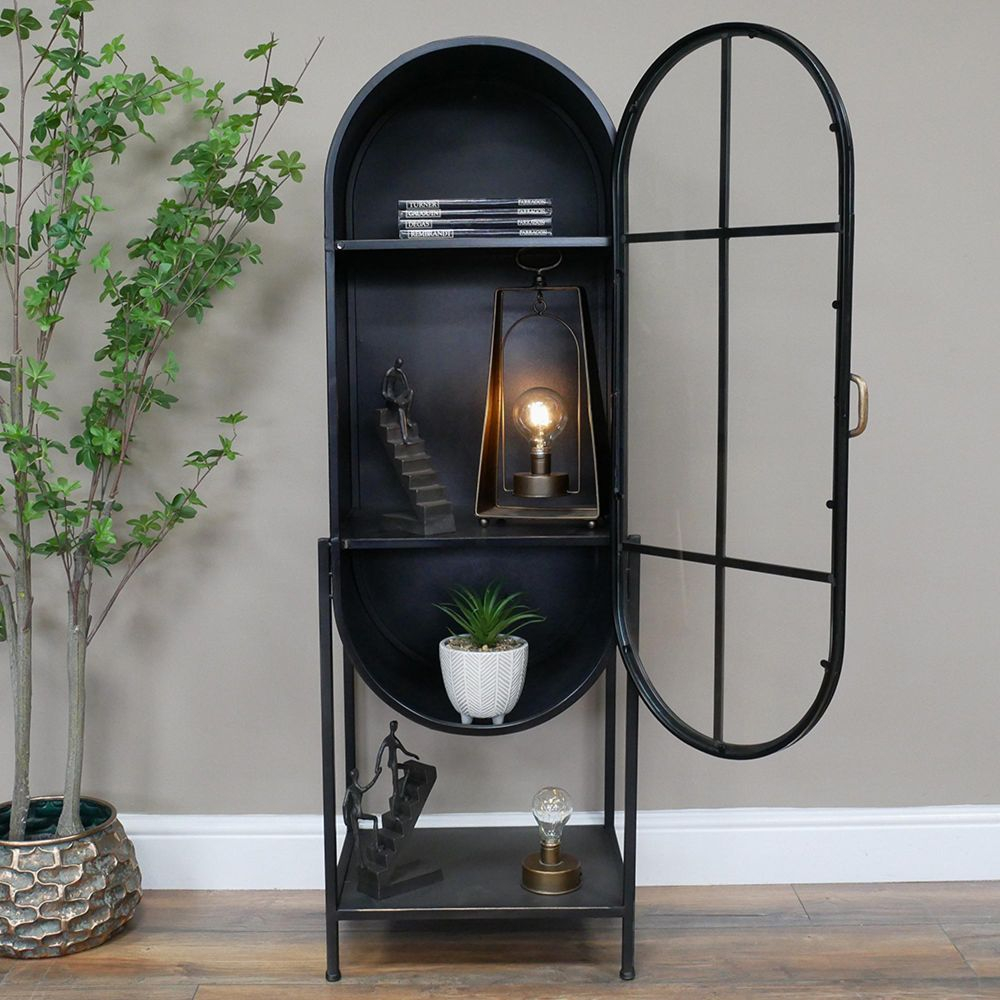
Ever feel like your walls are closing in? You’re not alone. In 2026, as urban living spaces continue to shrink and remote work remains a staple for millions, the pressure to keep our homes tidy yet functional has never been higher. We’ve all been there—staring at a pile of clutter on the coffee table or a desk buried under papers, wondering where it’s all supposed to go. The floor is taken. The horizontal surfaces are maxed out. So, where do we look? Up.
The answer isn’t always a massive renovation or buying a bigger apartment. Often, it’s about rethinking the furniture we already have space for. Enter the vertical one-door cabinet. It’s unsung hero of small-space design. Sleek, unobtrusive, and surprisingly capacious, these narrow towers are changing the game for people living in studios, tiny apartments, and compact home offices. They don’t just store stuff; they reclaim your sanity. Let’s dive into why this specific piece of furniture is becoming the go-to solution for modern, compact living.
Why Go Vertical? The Psychology of Space
When we talk about "small spaces," we’re usually talking about square footage. But humans experience space vertically too. Clutter on the floor makes a room feel chaotic and smaller because it blocks our path and our view. It creates visual noise. By moving storage upward, we clear the "eye level" zone, which tricks the brain into perceiving more openness. A tall, slim cabinet draws the eye up, emphasizing ceiling height rather than floor constraints. It’s a simple optical illusion that works wonders.
Think about it. A wide, low bookshelf might hold the same amount of books as a tall, narrow cabinet, but the bookshelf dominates the room’s footprint. It demands attention. The vertical cabinet, especially with just one door, presents a clean, unified front. It’s less visually heavy. In 2026, design trends are leaning heavily towards minimalism and "calm cores"—spaces that reduce stress rather than add to it. A single-door unit fits this perfectly. It hides the mess behind a sleek panel, offering instant visual relief. You open the door, grab what you need, and close it. The chaos disappears.
This isn’t just about aesthetics; it’s about mental clarity. Research into environmental psychology suggests that visual clutter correlates with increased cortisol levels. When your living room or office looks orderly, you feel more in control. The one-door design is key here because it reduces the number of visual breaks (like multiple handles or varying shelf heights) that can make a piece of furniture look busy. It’s a monolith of order in a sea of potential disarray. And honestly, who doesn’t need a bit more order these days?
The Living Room Hero: Hiding the Everyday Mess
Living rooms are tricky. They’re where we relax, entertain, and often, where life’s clutter accumulates. Remote controls, board games, throw blankets, charging cables—it adds up fast. In a small living room, a bulky entertainment center is out of the question. That’s where the vertical one-door cabinet shines. Placed next to a sofa or in an unused corner, it becomes a catch-all for the items that don’t have a home but shouldn’t be on display.
Imagine a cabinet that’s only 15 inches wide but stands six feet tall. It fits snugly beside your armchair. Inside, adjustable shelves let you customize the space. Bottom shelves for heavier items like gaming consoles or stacks of magazines. Middle shelves for those miscellaneous items that always seem to migrate to the coffee table. Top shelves for things you rarely use but can’t bear to toss. The single door keeps it all hidden. When guests come over, your living room looks curated and calm, not like a storage unit exploded.
But it’s not just about hiding things. These cabinets can also serve as display units if you choose a model with glass doors or leave the top section open. However, for most small-space dwellers in 2026, the preference is for concealment. The "out of sight, out of mind" principle helps maintain a serene atmosphere. Plus, because they are narrow, they don’t block walkways. You can slip past them easily, which is crucial in tight layouts. No more bumping your hip on a protruding cabinet edge. It’s functionality without the friction.
Office Efficiency: Decluttering Your Work From Home Zone
If you’re working from home, your office space is likely multipurpose. Maybe it’s a corner of the bedroom, a nook in the living room, or a converted closet. Regardless of the location, the challenge is the same: keeping work materials separate from personal life while maximizing limited square footage. A vertical one-door cabinet is a boundary setter. It defines the "office" zone without building walls.
In a small home office, desk space is premium real estate. You don’t want it cluttered with reference books, extra notebooks, or tech accessories. A tall, narrow cabinet placed behind or beside the desk acts as a vertical filing system. One door means quick access. You can organize the interior with bins, file holders, and dividers. Everything has a spot. When the workday ends, you close the door. Physically and mentally, you’re shutting down the office. This separation is vital for work-life balance, especially when your office is also your living space.
Moreover, these cabinets can house tech infrastructure. Routers, modems, power strips, and tangled cords can be tucked away inside, with small grommets cut into the back for cable management. This cleans up the visual field significantly. In 2026, with so many devices requiring power and connectivity, hiding the "tech spaghetti" is a huge win. A clean desk leads to a clear mind, and a closed cabinet door ensures that your relaxation time isn’t spent staring at your pending tasks. It’s a small change with a big impact on productivity and peace.
Design and Integration: Making It Look Intentional
One of the biggest fears people have when adding storage to a small space is that it will look like an afterthought. Like you just shoved a box in the corner because you had nowhere else to put it. To avoid this, integration is key. The vertical one-door cabinet should feel like part of the architecture, not an intrusion. This starts with color and material. Choosing a cabinet that matches your wall color creates a seamless look. It recedes into the background, making the room feel larger.
Alternatively, you can use the cabinet as a statement piece. A bold color or a unique texture can add character to a neutral room. But because it’s a single door, the impact is controlled. It’s not overwhelming. In 2026, we’re seeing a rise in "soft industrial" and "warm minimalist" styles. A matte black metal cabinet with wood accents fits right in. Or a soft sage green painted wood unit brings a touch of nature indoors. The key is proportion. Ensure the height of the cabinet complements the ceiling height. Floor-to-ceiling units maximize storage but can feel imposing if the room is very small. Leaving a few inches of space at the top can sometimes make the ceiling feel higher.
Lighting also plays a crucial role. Adding a small LED strip inside the cabinet or a puck light on top can highlight the unit and make the space feel more inviting. It draws attention to the verticality and adds depth. Don’t forget the hardware. The handle or knob on that single door is a jewelry piece for the cabinet. Choose something tactile and pleasing. It’s the point of interaction, so make it count. A leather pull, a brass knob, or a recessed finger pull can elevate the entire piece from utilitarian to designed.
Smart Organization: What Goes Inside Matters
Buying the cabinet is only half the battle. How you organize the inside determines whether it actually solves your problem or just becomes a deeper hole for clutter. The beauty of the one-door design is that it forces you to be intentional. You can’t just toss things in haphazardly because you’ll see the mess every time you open it. Start by auditing what you need to store. Group similar items together. Use clear bins for small objects so you can see what’s inside without pulling everything out.
Adjustable shelves are non-negotiable. Your needs will change. Maybe today you’re storing books, tomorrow it’s yoga mats, and next month it’s holiday decorations. Being able to move the shelves up and down allows the cabinet to adapt. In 2026, modular interior systems are popular. Think of drawer inserts, hook racks on the inside of the door, and stackable containers. The inside of the door is often wasted space. Adding a few shallow racks there can hold journals, tablets, or cleaning supplies. It doubles the utility without increasing the footprint.
Labeling might seem excessive for a home, but it helps maintain order. If multiple people use the space, labels ensure everyone knows where things go. It reduces the "where does this go?" friction. Also, consider weight distribution. Heavier items should go on the bottom shelves to keep the cabinet stable. This is especially important for tall, narrow units which can be top-heavy if not anchored properly. Always anchor your vertical cabinets to the wall. It’s a safety must, particularly in homes with children or pets, but it also prevents the unit from shifting or tipping, ensuring it stays a permanent, reliable part of your space.
Even with the best intentions, things can go wrong. One common mistake is buying a cabinet that’s too deep. In a small room, depth is the enemy. A standard cabinet might be 12-18 inches deep, but for a tight space, look for something slimmer, around 10-12 inches. Measure your space carefully, including baseboards and any protruding outlets. You’d be surprised how often a cabinet won’t sit flush because of a forgotten electrical socket. Check the back of the cabinet for cutouts or buy a unit with an open back to accommodate wiring and irregularities.
Another pitfall is ignoring the swing of the door. In a cramped area, a door that swings out 90 degrees might hit a chair, a plant, or a wall. Consider the clearance needed. If space is extremely tight, look for sliding door options or doors with restricted hinges that don’t swing as wide. Alternatively, ensure there’s enough breathing room in front of the cabinet. It’s a small detail that can make a huge difference in daily usability. You don’t want to have to move furniture every time you need a book.
Finally, don’t overload it. Just because it’s tall doesn’t mean it can hold everything. Overstuffing makes it hard to close the door and can damage the hinges. Leave some breathing room inside. Air circulation is also important if you’re storing anything sensitive to moisture or heat. And remember, the goal is to reduce visual clutter, not just hide it. If the cabinet is bursting at the seams, the stress is still there, just behind a door. Regularly edit what’s inside. Keep only what you need and use. It’s a practice of mindfulness as much as organization.
So, there you have it. The vertical one-door cabinet isn’t just a piece of furniture; it’s a strategy for living better in less space. It offers a way to reclaim your floors, clear your surfaces, and calm your mind. Whether you’re trying to create a serene living room or a focused home office, looking up is the smartest move you can make. It’s about working with the space you have, not fighting against it. In 2026, as we continue to value simplicity and functionality, these slender towers stand tall as symbols of smart, intentional living. Give it a try. You might just find that the secret to a bigger-feeling home is reaching for the sky.


