
Imagine walking into a room where every corner whispers stories of ancient mountain villages, where the warmth of handwoven textiles meets the clean lines of today’s minimalist aesthetic. This isn’t just about decoration – it’s about creating spaces that honor centuries-old traditions while serving our modern lives. Traditional Tibetan craftsmanship has found its way into contemporary interiors, bringing with it a rich tapestry of cultural significance, artistic excellence, and deeply rooted spiritual meanings.
In a world where mass-produced furniture and generic designs dominate our living spaces, there’s something profoundly moving about incorporating elements that carry deep cultural roots. Traditional Tibetan craftsmanship offers more than just visual appeal – it provides a connection to ancient wisdom, sustainable practices, and artistic techniques that have been refined over generations. When these elements find their way into modern interior design, they create spaces that feel both grounding and inspiring. The fusion isn’t just about aesthetics; it’s about weaving history into our daily lives, making each room a conversation piece between past and present.
The Essence of Tibetan Artisanal Traditions
Tibetan craftsmanship spans centuries of artistic development, rooted in monastic traditions and rural communities. These artisans work with materials like wool, silk, wood, and metal, each carrying specific cultural meanings. The process of creating these pieces often involves entire families passing down techniques through generations. What makes Tibetan crafts unique isn’t just their beauty, but the intention behind them. Every knot in a carpet, every pattern in a textile, and every carved detail tells a story. Consider the intricate geometric patterns found in traditional Tibetan rugs – these aren’t random designs but symbolic representations of Buddhist philosophy and the natural world around them. The time invested in creating a single piece – sometimes months or even years – reflects a commitment to quality and meaning that’s rare in today’s fast-paced world.
Key Elements in Modern Design Integration
Modern designers are discovering that Tibetan elements bring authenticity and soul to contemporary spaces. Here are some essential components:
• Textiles and wall hangings – These add warmth and visual texture to minimalist rooms
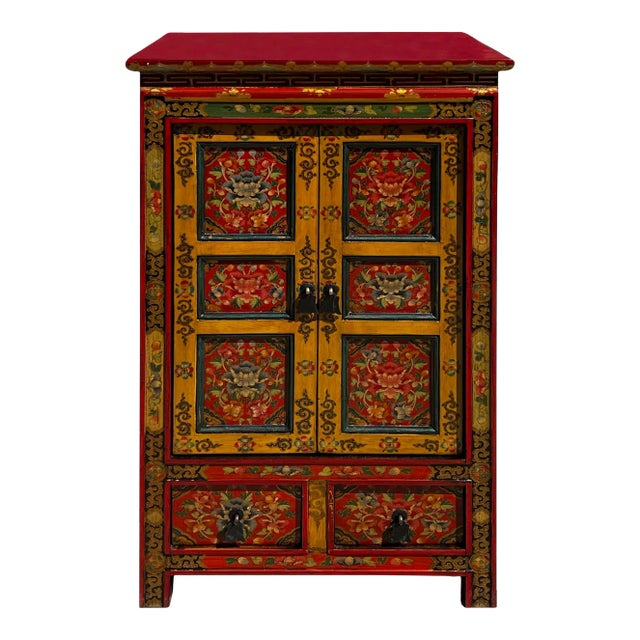
• Wooden furniture – Often featuring traditional carving techniques and simple, functional forms
• Metalwork – Including brass and copper accents that bring richness and longevity
• Natural fibers – Wool and silk that offer both comfort and durability
• Symbolic motifs – Geometric patterns that can be incorporated into modern decor without overwhelming the space
The key is finding balance. A Tibetan-inspired rug might anchor a modern living room perfectly, while subtle metal accents can elevate a simple wooden coffee table. The challenge lies in respecting the original cultural context while making these elements work within contemporary design principles.
Practical Applications and Design Tips
Incorporating traditional Tibetan elements into modern interiors requires thoughtful consideration. Start small – perhaps with a handwoven throw or a wooden tray that showcases local craftsmanship. These pieces can serve as focal points without dominating the space. Consider the color palette too; traditional Tibetan textiles often feature earth tones, deep reds, and golden yellows that complement modern neutral backgrounds beautifully. For larger pieces like rugs or wall hangings, ensure they align with the overall aesthetic of the room. If you’re working with a minimalist style, choose Tibetan elements that enhance rather than compete with existing design features. Think about scale – a large Tibetan rug can transform a small apartment, but it needs adequate space to breathe. Also remember that quality matters. These pieces are investments that will last for decades, so don’t compromise on authenticity or craftsmanship when selecting items.
Cultural Respect and Authenticity Matters
As we embrace these beautiful traditions, we must approach them with respect and understanding. Many of these crafts are tied to religious and spiritual practices, particularly in Tibetan Buddhism. When incorporating these elements into commercial or residential spaces, it’s important to consider their cultural significance. Some patterns and symbols hold deep spiritual meaning and shouldn’t be used merely for decorative purposes. Research the background of the pieces you’re considering. Learn about their origins, the communities that created them, and their intended meanings. This knowledge not only helps you make better design choices but also ensures you’re honoring the artisans and their traditions. Support fair trade practices and work directly with artisans or reputable organizations that ensure ethical production and compensation for creators.
Sustainability and Timeless Quality
One of the most compelling aspects of Tibetan craftsmanship is its inherent sustainability. These pieces are built to last, using natural materials and traditional methods that don’t rely on synthetic chemicals or rapid production cycles. A handwoven Tibetan rug can outlast multiple modern replacements, making it a wise investment. The materials themselves – wool, silk, wood, and natural dyes – are biodegradable and environmentally friendly compared to many contemporary alternatives. Additionally, these crafts often support rural economies and preserve traditional skills that might otherwise disappear. When you purchase authentic Tibetan pieces, you’re not just buying a decorative item – you’re participating in a system that values craftsmanship, community, and environmental stewardship. The longevity of these items means less waste and a smaller carbon footprint over time.
Creating Meaningful Spaces Through Cultural Fusion
The true magic happens when traditional Tibetan elements are thoughtfully integrated into modern spaces. Picture a sleek contemporary bedroom with a handwoven Tibetan blanket draped over a bed, or a minimalist dining room enhanced by a carved wooden centerpiece. These combinations create harmony between different worlds – the ancient and the modern, the spiritual and the practical. The result is spaces that feel alive with purpose and meaning. People often comment on how these rooms feel different from typical modern homes – they’re more grounded, more personal, and more connected to something larger than themselves. This emotional resonance is what makes Tibetan craftsmanship so powerful in contemporary design. It transforms ordinary spaces into sanctuaries that reflect the owner’s values and appreciation for cultural diversity.
Traditional Tibetan craftsmanship brings more than just beautiful objects to modern interiors – it infuses spaces with history, meaning, and cultural depth. Whether you’re designing a new home or refreshing an existing one, these elements offer a pathway to create truly meaningful environments. The key lies in understanding and respecting the traditions behind these crafts while finding ways to make them work within contemporary lifestyles. As we continue to seek authenticity in our increasingly digital world, these handmade treasures remind us of the importance of connection, craftsmanship, and cultural preservation. They teach us that beauty isn’t just about looking good – it’s about feeling good, knowing where things come from, and appreciating the skill and dedication that goes into creating lasting beauty. In the end, these pieces don’t just decorate our homes – they enrich our lives and connect us to something timeless and profound.
[sps_html tag=”img” src=”https://marcpauze.com/wp-content/uploads/2025/12/tibetan-orange-yellow-jewel-floral-tall-end-table-nightstand-cabinet-within-exploring-the-artisan-craftsmanship-behind-tibetan-wooden-furniture.jpg” alt=”Tibetan Orange Yellow Jewel Floral Tall End Table Nightstand Cabinet … within Exploring the Artisan Craftsmanship Behind Tibetan Wooden Furniture” style=”width: 100%; height: auto;”]
[sps_html tag=”img” src=”https://marcpauze.com/wp-content/uploads/2025/12/orange-yellow-tibetan-floral-end-table-nightstand-cabinet-chairish-pertaining-to-tibetan-orange-yellow-jewel-floral-tall-end-table-nightstand-cabinet-hcs7625-1.jpg” alt=”Orange Yellow Tibetan Floral End Table Nightstand Cabinet | Chairish pertaining to Tibetan Orange Yellow Jewel Floral Tall End Table Nightstand Cabinet Hcs7625″ style=”width: 100%; height: auto;”]
[sps_html tag=”img” src=”https://marcpauze.com/wp-content/uploads/2025/12/red-black-tan-tibetan-floral-end-side-table-nightstand-cabinet-chairish-inside-tibetan-orange-yellow-jewel-floral-tall-end-table-nightstand-cabinet-hcs7625.jpg” alt=”Red Black Tan Tibetan Floral End Side Table Nightstand Cabinet | Chairish inside Tibetan Orange Yellow Jewel Floral Tall End Table Nightstand Cabinet Hcs7625″ style=”width: 100%; height: auto;”]
[sps_html tag=”img” src=”https://marcpauze.com/wp-content/uploads/2025/12/orange-red-yellow-tibetan-floral-end-table-nightstand-cabinet-cs3936s-pertaining-to-exploring-the-artisan-craftsmanship-behind-tibetan-wooden-furniture.jpg” alt=”Orange Red Yellow Tibetan Floral End Table Nightstand Cabinet Cs3936S … pertaining to Exploring the Artisan Craftsmanship Behind Tibetan Wooden Furniture” style=”width: 100%; height: auto;”]
[sps_html tag=”img” src=”https://marcpauze.com/wp-content/uploads/2025/12/tibetan-oriental-blue-orange-red-green-floral-end-table-nightstand-intended-for-tibetan-orange-yellow-jewel-floral-tall-end-table-nightstand-cabinet-hcs7625.jpg” alt=”Tibetan Oriental Blue Orange Red Green Floral End Table Nightstand … intended for Tibetan Orange Yellow Jewel Floral Tall End Table Nightstand Cabinet Hcs7625″ style=”width: 100%; height: auto;”]


