
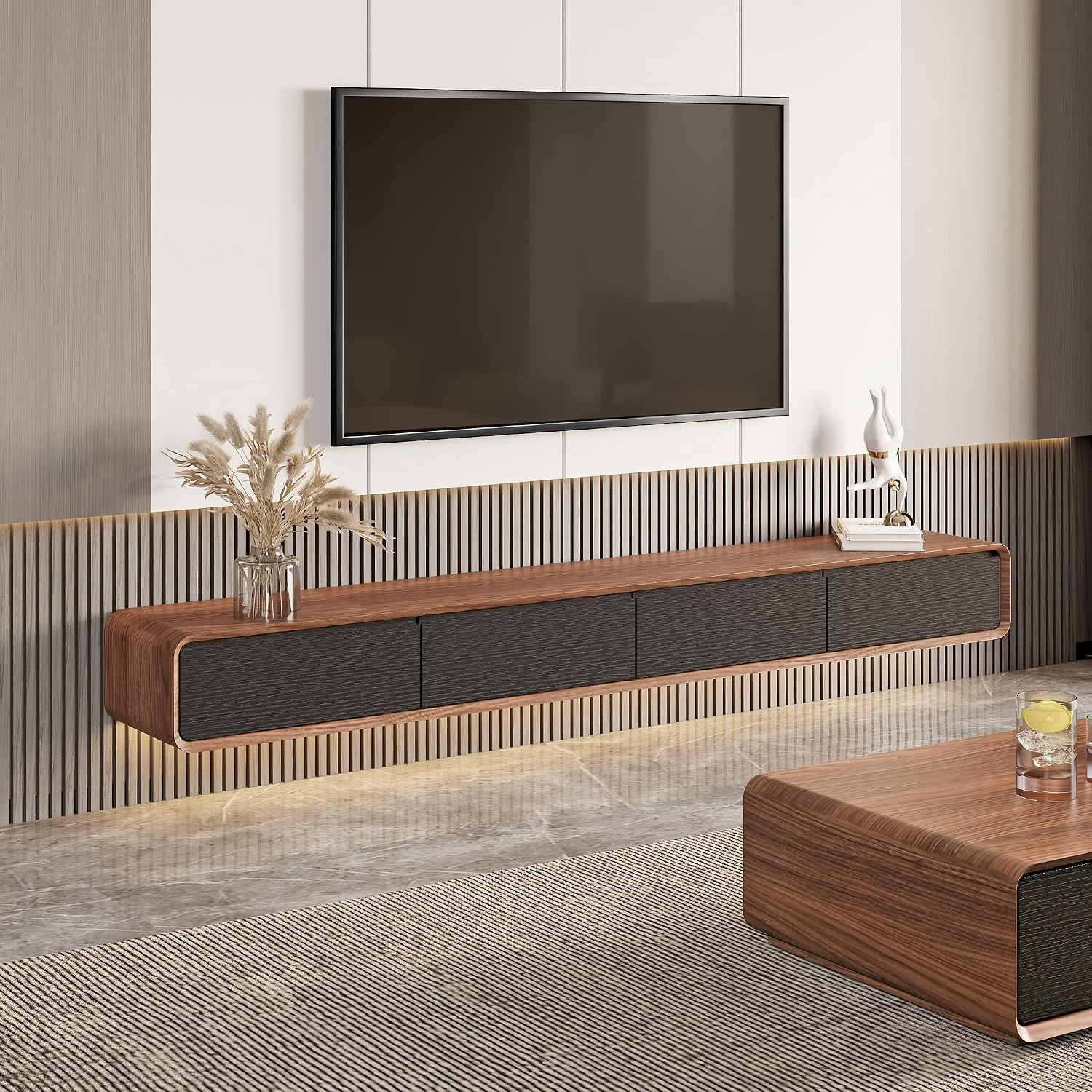
Run your hand along the face of a contemporary credenza and you are unlikely to encounter the flat, monotonous expanses of yesterday’s office furniture. Instead, your fingers might catch on the rhythmic, vertical grooves of an accordion-like milled surface, or glide over the cool, matte expanse of a sintered stone top resting on open-grain white oak. We are living through a quiet revolution in functional cabinetry where surface texture is no longer a decorative afterthought, but a foundational pillar of engineering.
This tactile evolution did not happen by accident. As open-plan living arrangements continue to dominate residential and commercial architecture, the furniture bridging our rooms must work harder than ever. It has to swallow away clutter, house complex electronic ecosystems, anchor spatial layouts, and hold its own visually against stark architectural walls. When a piece of furniture lives in our direct line of sight for hours a day, flat surfaces can quickly feel sterile. Modern designers and woodworkers realized that to make functional storage compelling, they had to engage the human sense of touch just as effectively as they addressed interior capacity.
The stakes in modern furniture design are high. A poorly engineered credenza sags under the weight of a heavy turntable or an integrated architectural stone top, its doors misaligning as seasonal humidity shifts the timber frame. A brilliantly engineered piece, however, acts as a masterclass in compromise. It conceals active ventilation channels within decorative reeding, utilizes precision soft-close hardware rated for tens of thousands of cycles, and marries disparate mediums like warm walnut and cold brushed brass into a cohesive, tactile whole. Understanding this delicate union of tactile surface design and utilitarian engineering requires a close look at how modern fabrication methods reshape our spaces.
The Anatomy of Tactile Surfaces in Contemporary Cabinetry
Surface treatment in contemporary credenza design relies heavily on mechanical milling, composite layering, and intentional material juxtaposition. When a workshop produces a piece featuring oversized vertical facets or geometric fluting, they are doing more than chasing aesthetic trends. These textures manipulate ambient room light, casting micro-shadows that shift throughout the day and give static wood or lacquer finishes an organic, living quality.
Achieving these tactile facades demands rigorous precision. CNC routers carve rhythmic patterns into medium-density fiberboard before a vacuum press wraps the substrate in continuous wood veneer or high-gloss lacquer. The choice of finish directly influences how the texture feels beneath the fingertips. A low-VOC matte varnish preserves the porous, authentic feel of raw white ash or walnut, whereas a hand-rubbed oil finish invites tactile interaction, aging gracefully with oils from the skin over years of use.
Beneath these striking exteriors lies the structural skeleton. Modern casegoods must balance the visual weight of heavy textured doors with rigid internal bracing. If the cabinet carcass lacks adequate corner gussets or a balanced back panel, the heavy front load will cause the miters to pull apart over time. Engineers combat this by integrating internal steel frames or multi-ply Baltic birch substrates that remain completely dimensionally stable, regardless of how aggressively the exterior is carved, fluted, or paneled.
Balancing Interior Utility with Exterior Sculptural Presence
The eternal tension in credenza engineering lies between what happens on the outside and what happens on the inside. A piece might feature a breathtaking exterior of high-contrast wood grains and tactile geometric facets, but if its interior layout cannot accommodate a multi-zone audio receiver, deep serving platters, or hanging file folders, it fails as a functional tool. Modern design addresses this by treating the interior as an adaptable utility landscape rather than a series of fixed wooden boxes.
Adjustable shelving systems have evolved past the crude plastic pegs of the past. Today’s credenzas frequently incorporate concealed shelf-support pins milled directly into the interior walls or sleek steel tracks that allow micro-adjustments in height. Furthermore, thermal management has become a core engineering discipline. Because credenzas frequently double as media consoles or specialized bar cabinets, modern units often feature discreetly slotted back panels or integrated brush-sealed wire management ports that allow airflow without compromising the clean, unbroken silhouette of the piece.
Another hidden marvel of interior utility is the integration of specialized hardware. Soft-close undermount drawer slides rated for heavy loads ensure that even fully packed accessory drawers glide shut with minimal effort. Door hinges are increasingly selected for three-way adjustability, allowing installers to fine-tune gaps down to fractions of a millimeter. This meticulous alignment is critical, especially when dealing with textured or reeded doors where any millimeter of sag disrupts the continuous visual rhythm of the facade.
Methodologies for Specifying and Styling Tactile Storage Units
Selecting or custom-building a credenza that successfully marries texture and function requires a deliberate, step-by-step evaluation of scale, material behavior, and spatial context. Whether you are outfitting a moody dining room or a sunlit urban loft, following a structured specification process prevents costly design mismatches.
- Step 1 (Assess Spatial Scale and Traffic Flow): Measure not just the wall space, but the clearance required when doors are swung open or drawers are fully extended. A heavily textured credenza with deep protruding facets demands more physical clearance than a flush-faced cabinet to avoid bumping knees in narrow hallways.
- Step 2 (Define the Primary Functional Load): Determine whether the piece will act primarily as a media hub, a dining buffet, or an entryway drop zone. This dictates interior requirements, such as depth for vinyl records, internal cord routing, or specialized felt-lined flatware drawers.
- Step 3 (Select Complementary Material Textures): Map out the existing tactile environment of the room. If your floors are smooth polished concrete and your walls are flat gypsum board, introduce a credenza with deep wood grain or faceted high-gloss doors to prevent the room from feeling acoustically and visually cold.
- Step 4 (Evaluate Hardware and Structural Integrity): Inspect the joints, hinge ratings, and weight distribution. Ensure that solid wood components are properly quarter-sawn to resist warping, and verify that stone or composite tops have adequate internal load-bearing support.
- Step 5 (Plan the Top Surface Styling): Balance the active texture of the credenza body with curated tabletop elements. Apply the rule of three to group ceramics, lamps, or natural botanicals, ensuring you do not clutter a brilliantly engineered surface with visual noise.
Navigating Common Engineering Pitfalls and Material Limitations
Even high-end furniture fabrication is fraught with technical traps. When designers push the boundaries of texture and material mixing, they often run headfirst into the laws of physics and material science. Recognizing these vulnerabilities during the specification or building phase saves cabinetry from premature failure.
- Pitfall 1 (Ignoring Seasonal Wood Movement): Solid wood expands and contracts across its grain with changes in relative humidity, while engineered substrates remain static. Forcing solid wood panels into rigid, captive frame grooves without expansion gaps will inevitably lead to splitting or buckling. Workaround: Utilize stable multi-ply cores wrapped in genuine wood veneers for large door panels, reserving solid wood primarily for edge banding and floating frame components.
- Pitfall 2 (Overlooking Ventilation for Heat-Generating Electronics): Sealing amplifiers, gaming consoles, or AV receivers inside a beautiful, airtight credenza causes thermal overload and premature hardware failure. Workaround: Specify slotted rear access panels, breathable woven cane door inserts, or quiet, thermostatically controlled internal cooling fans.
- Pitfall 3 (Underestimating Door Sag on Wide Panels): Deeply textured or carved doors add substantial dead weight, which puts immense leverage strain on standard hinges, causing them to pull out of side panels over time. Workaround: Upgrade to heavy-duty concealed European hinges with additional mounting screws, or specify sliding door configurations that distribute weight across top and bottom tracks.
- Pitfall 4 (Clashing Tactile Finishes): Combining too many aggressive textures—such as heavily distressed reclaimed wood, rough stone, and high-gloss fluting—creates visual chaos rather than sophisticated contrast. Workaround: Limit dominant textures to one primary surface zone, such as the doors or the top slab, keeping supporting surfaces quiet and understated.
- Pitfall 5 (Neglecting Cord Management Pathways): A stunning credenza ruined by messy black cables spilling haphazardly over the back defeats the purpose of clean modern design. Workaround: Confirm the presence of internal vertical and horizontal wire management chases before installation.
The Broader Impact of Tactile Design on Spatial Psychology
Furniture does not exist in a vacuum; it actively shapes how we feel within our living and working environments. In recent years, environmental psychology research has validated what master craftsmen have intuitively known for centuries: our nervous systems respond positively to tactile variety. Touching natural wood grain, feeling the cool polish of stone, or tracing the geometric rhythm of a milled cabinet door lowers cortisol levels and grounds us in our physical surroundings.
This sensory engagement is a direct antidote to the sensory fatigue induced by screens and flat digital surfaces. As automated manufacturing processes make pristine perfection cheap and ubiquitous, true luxury in furniture design has shifted toward evidence of the hand and the honest expression of materials. A credenza with a brushed, open-grain finish or an intricate, hand-assembled tambour door reminds us of physical reality.
Furthermore, sustainability is deeply intertwined with this tactile movement. When furniture is engineered to high standards using durable, repairable materials like FSC-certified hardwoods, solid brass hardware, and VOC-free finishes, it moves away from the disposable culture of fast-furniture. A well-engineered credenza is built to be passed down through generations, acquiring minor patinas along its textured surfaces that tell the story of a well-lived home.
Core Takeaways for Modern Interior Integration
Integrating a high-performance, textured credenza into your space requires balancing artistic expression with practical utility. To ensure your investment stands the test of time, keep these core principles at the forefront of your decision-making process.
- Prioritize Material Honesty: Let materials speak for their true nature. If a piece uses walnut veneer, ensure it is applied over a stable, premium substrate with matching solid wood edge banding.
- Match Texture to Room Acoustics: Hard, smooth surfaces bounce sound waves around a room, creating an echo chamber. Tactile surfaces, slatted doors, and upholstered elements break up sound reflections, improving overall acoustic comfort.
- Inspect the Mechanical Intersections: Quality is found in the unseen details. Check that drawer boxes feature traditional joinery like dovetails or secure cam-locks, and test the smoothness of soft-close mechanisms.
- Design for Adaptability: Choose a credenza layout that can adapt to changing technology and storage needs over the years, avoiding hyper-specific built-ins unless they are custom-tailored to a permanent architectural niche.
The modern credenza has shed its historic reputation as a passive, dusty sideboard. Today, it stands as a sophisticated hybrid of sculpture and high-capacity engineering. By carefully balancing tactile surface design with uncompromising interior utility, contemporary makers and designers have transformed a simple box with doors into an essential focal point of modern architecture.
As we look toward the future of interior design, the demand for pieces that engage all of our senses will only accelerate. The most successful homes and workplaces will continue to be those that reject sterile uniformity in favor of rich, tactile, and thoughtfully engineered environments. When you invest in a credenza that honors both the touch of the hand and the rigor of the machine, you are not merely buying storage—you are anchoring your living space in enduring quality.


