
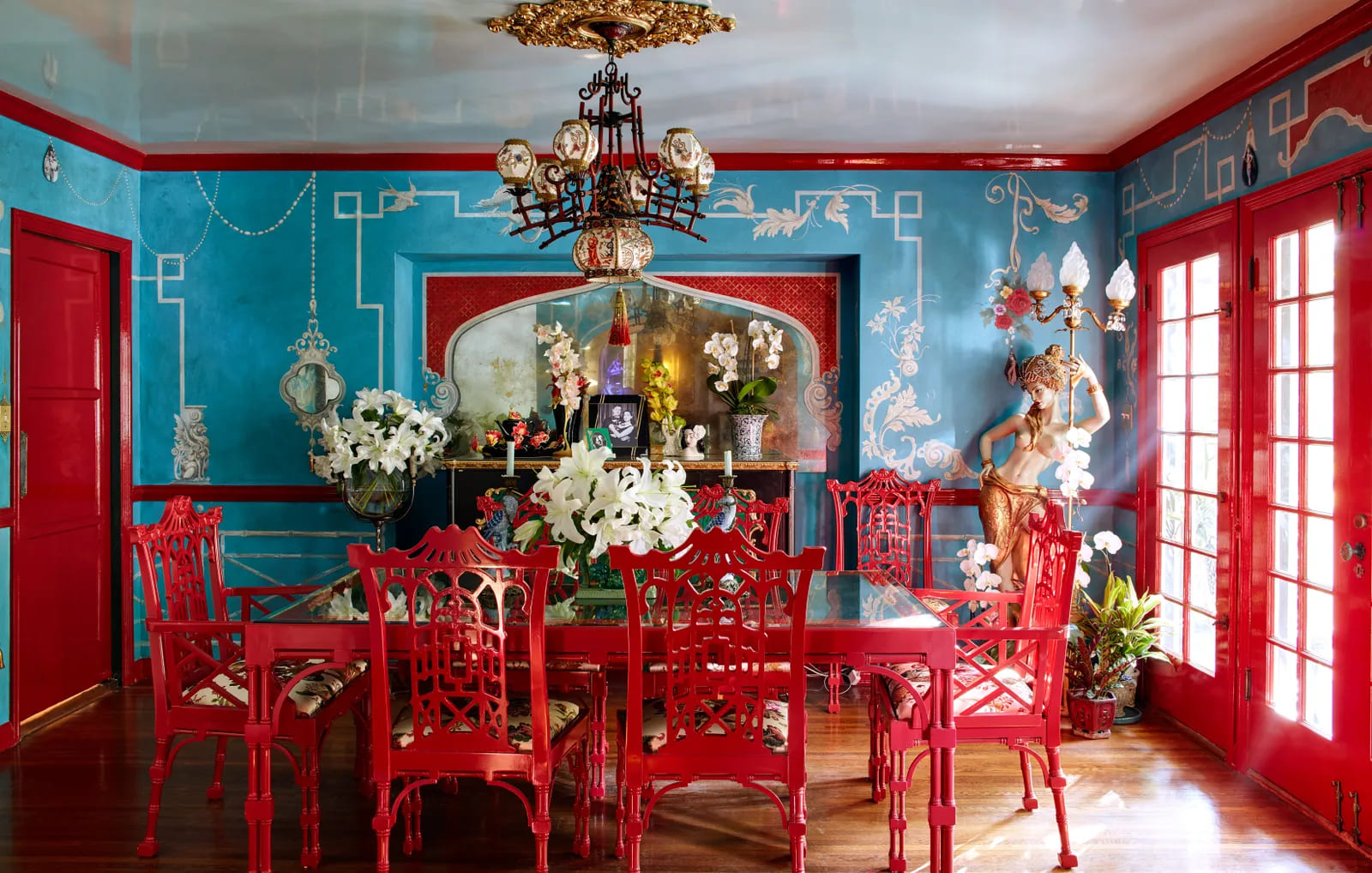
Run your fingertips across the door panel of a seventeenth-century Ming or Qing dynasty scholar’s cabinet, and you are not merely touching a piece of furniture. You are making physical contact with a biological and chemical miracle that took months—sometimes years—to materialize. The cool, glassy slip under your hand is not modern synthetic polyurethane; it is raw sap bled from the Rhus vernicifera, the lacquer tree, cultivated in the mist-laden highlands of Sichuan and Shaanxi. Beneath that impenetrable armor lies structural timber like huanghuali, zitan, or northern elm, cut and joined with joinery so mathematically precise that a single nail has never touched the frame.
To understand classic oriental cabinetry is to unpeel layers of human ingenuity, botanical science, and generational patience. Long before these pieces graced European royal courts or modern minimalist penthouses, master joiners and lacquer artisans operated at the intersection of arboriculture and high art. They worked with materials that demanded absolute submission to nature’s timeline. If the humidity dropped too low during the curing phase, the lacquer would refuse to polymerize. If the wood moisture content was off by even a fraction of a percent, centuries of seasonal expansion would crack the fragile shell.
This deep-rooted tradition bridges ancient courts and contemporary high-end interiors. As global collectors and preservationists study these historical objects today, the physical journey of wood and sap remains a masterclass in durability. It is a story told in silent workshops where men harvested milky white poison sap, boiled and strained it across silk cloths, and applied dozens of gossamer-thin coats that hardened into a finish capable of outliving empires.
The Botanical Alchemy of Natural Lacquer and Hardwood Selection
The foundation of any exceptional piece of classic oriental cabinetry begins deep in the forest. Craftsmen never viewed wood and resin as dead inventory; they treated them as living elements that required careful matching. For the structural carcass, joiners utilized indigenous hardwoods that offered dimensional stability and tensile strength. Northern elm (yumu) provided a fibrous, shock-resistant frame for everyday storage, while southern workshops favored dense, oily woods like huanghuali (fragrant rosewood) or zitan (purple sandalwood) for elite scholars and imperial palaces. These exotic hardwoods possessed natural oils that resisted decay and insect damage, reducing the need for chemical treatments.
Once the timber frame was planed, pegged, and assembled using complex mortise-and-tenon systems, the true alchemy commenced. The application of Oriental lacquer—known scientifically as urushiol-based lacquer in China, Japan, and Korea—was an entirely separate discipline. Unlike modern varnishes that dry through solvent evaporation, liquid urushiol hardens through an enzymatic oxidation process. Laccase enzymes in the sap require precise ambient humidity (around 75% to 80%) and moderate warmth to cross-link molecules. Craftsmen built damp curing cabinets, often lined with wet cloths, where the coated furniture pieces rested between applications.
This relationship between wood and sap is symbiotic yet tense. Wood breathes, expands, and contracts with ambient weather shifts, while a thick, cured lacquer skin is utterly rigid. To bridge this structural mismatch, historical artisans developed complex substrate preparation techniques. They pasted layers of hemp cloth, ramie, or handmade paper across raw wood joints using a paste of lacquer and ceramic powder. This flexible membrane absorbed the seasonal movement of the timber, shielding the brittle lacquer topcoats from fracturing under stress.
Historical Evolution Across Dynasties and Regional Workshops
The trajectory of lacquer and wood cabinetry shifted dramatically across Chinese, Japanese, and Korean dynastic timelines. During the Zhou dynasty, lacquer was initially utilitarian—applied to bamboo slips and simple food vessels. By the Ming and Qing eras, cabinetry had evolved into a canvas for high-status storytelling. Workshops in Beijing, Suzhou, and Guangzhou developed distinct regional vocabularies. Suzhou cabinets leaned toward restrained elegance, letting the fiery grain of huanghuali take center stage with minimal embellishment. Conversely, imperial workshops in the north favored hyper-intricate carved lacquer (guri or caiqi), building up dozens of monochrome layers only to carve deep, sculptural valleys into the polychromatic strata.
Global trade routes eventually catapulted these techniques across continents, creating fascinating cultural crossovers. During the seventeenth and eighteenth centuries, European demand for Asian lacquer reached a fever pitch. Because importing massive cabinets was prohibitively expensive and logistically perilous, European merchant princes and luxury guilds known as marchands-merciers engaged in a radical practice. They dismantled imported Japanese cabinets and Chinese Coromandel screens, harvesting the precious lacquer panels and re-assembling them into custom French neoclassical furniture frames.
Despite European attempts to replicate the finish using spirit varnishes and shellac, true oriental lacquer remained uniquely durable. Western copal varnishes scratched easily and dissolved under alcohol or heat. Meanwhile, properly cured urushiol-based lacquer proved impervious to water, weak acids, alcohol, and mild heat. This chemical resilience explained why antique cabinets salvaged from shipwrecks or flooded temples often retained their high-gloss luster after centuries submerged in silt.
Master Methodology for Inspecting and Preserving Lacquer and Wood
Evaluating, restoring, or maintaining classic oriental cabinetry requires a methodical, non-destructive approach. Whether you are an architectural historian cataloging a provincial elm wardrobe or a collector acquiring a Qing Dynasty scholar’s chest, a structured framework ensures the physical integrity of the piece is preserved.
- Step 1 (Environmental Baseline Audit): Measure the ambient relative humidity and temperature of the display space. Maintain a strict window of 45% to 55% relative humidity and avoid placing cabinets near direct heating vents or unshielded UV sunlight, which degrades urushiol polymers.
- Step 2 (Substrate and Joinery Inspection): Examine the structural frame using a low-angle raking light to inspect traditional mortise-and-tenon joints for looseness. Check if the original wooden pegged joints (munfa) are intact without modern steel screws or metal brackets that restrict natural wood movement.
- Step 3 (Surface and Layer Analysis): Inspect the lacquer skin under magnification to identify crazing, micro-cracks, or lifting areas. Distinguish between original urushiol layers, historical restoration fills, and modern synthetic touch-ups that may react poorly to traditional conservation materials.
- Step 4 (Gentle Cleaning Protocol): Remove surface particulate dust using a soft, dry camel-hair brush or micro-fiber duster. Never use commercial wood polishes, silicone sprays, or damp cloths containing alcohol or ammonia, as these chemicals permanently dull or etch the lacquer finish.
- Step 5 (Documentation and Condition Mapping): Photograph every angle, joinery point, and maker’s mark or signature under standardized lighting. Create a permanent physical and digital archive log tracking seasonal shifts and any professional conservation interventions.
Common Pitfalls and Field-Tested Workarounds in Cabinetry Conservation
The restoration and care of antique oriental furniture are fraught with chemical and mechanical hazards. Amateurs and even untrained restorers frequently cause irreversible damage by applying contemporary repair methodologies to ancient organic materials.
- Pitfall 1 (Applying Modern Synthetic Finishes): Stripping an aged, dull lacquer cabinet and coating it with polyurethane or nitrocellulose lacquer destroys its historical value and traps moisture beneath an incompatible film. Workaround: Consult a certified conservator specializing in Asian lacquer to apply micro-crystalline wax or traditional restorative sap infills that match the original polymer structure.
- Pitfall 2 (Ignoring Humidity Shock): Moving a cabinet directly from a humid coastal climate to a dry, centrally heated winter apartment causes the underlying wood to shrink rapidly, leading to catastrophic splitting and flaking of the lacquer skin. Workaround: Implement localized humidification chambers or slow climate acclimatization phases over several weeks when relocating sensitive pieces.
- Pitfall 3 (Using Abrasive Solvents for Cleaning): Attempting to scrub away stubborn grime or centuries-old wax buildup with standard household chemical cleaners strips away the delicate surface glazes and gold-leaf details. Workaround: Use pharmaceutical-grade mineral spirits or deionized water applied sparingly via cotton swabs, testing a hidden underside corner first.
- Pitfall 4 (Rigid Mechanical Stabilization): Installing modern steel angle brackets, rigid epoxy glues, or tight metal fasteners to stabilize a wobbly cabinet prevents the wood from flexing naturally, fracturing the surrounding frame. Workaround: Re-pegged joints using seasoned matching hardwoods and traditional animal hide glues that allow gentle, reversible give.
- Pitfall 5 (Exposing Pieces to Direct UV Radiation): Placing lacquered furniture in sunlit rooms causes photochemical degradation of the urushiol matrix, turning deep blacks into dull, chalky browns and fading red cinnabar pigments. Workaround: Apply UV-filtering window films to display rooms or position cabinetry away from direct solar paths entirely.
The Economic, Ecological, and Cultural Value of Sustainable Craftsmanship
The production methods behind classic oriental cabinetry offer a profound lesson in sustainability that resonates strongly today. Modern furniture manufacturing often relies on engineered composite boards bonded with formaldehyde resins, wrapped in paper veneers, and designed for planned obsolescence. In contrast, historical cabinetmaking was fundamentally circular and bio-based. The wood was harvested selectively from managed or natural indigenous forests, and the finish was derived from renewable tree sap that could be tapped annually for decades without killing the host tree.
Economically, the market for museum-grade oriental cabinetry has matured significantly. Authenticity, condition of the lacquer layer, and provenance dictate astronomical valuations in global auction houses. However, this market pressure has a dark side: illegal logging of endangered tropical hardwoods like Siamese rosewood (Dalbergia cochinchinensis) and soaring demand for antique timber have triggered conservation crises across Southeast Asia. Modern collectors and designers must increasingly verify that contemporary interpretations of oriental cabinetry rely on reclaimed timber or legally certified fast-growing domestic hardwoods rather than pillaged old-growth forests.
Preserving existing masterpieces is a form of cultural stewardship. Every surviving cabinet represents thousands of hours of collective human labor passed down through guilds where secret techniques were guarded jealously. By studying how these physical objects survive the centuries, contemporary artisans learn to respect the inherent limitations of organic materials. We are reminded that true luxury is not measured by speed of production, but by the willingness to honor nature’s slow, deliberate rhythms.
Actionable Recommendations and Key Takeaways for Collectors and Enthusiasts
Navigating the world of antique furniture requires a balanced blend of aesthetic appreciation and rigorous technical awareness. To ensure your engagement with classic oriental cabinetry remains rewarding and responsible, consider implementing these foundational frameworks.
- Prioritize Provenance and Documentation: Always request certificates of authenticity, export licenses (where applicable under cultural heritage laws), and comprehensive condition reports detailing any historical repairs before investing in high-end antique cabinetry.
- Invest in Microclimate Controls: Protect valuable pieces by installing dedicated hygrometers near your cabinetry, treating indoor humidity stability as a non-negotiable insurance policy for organic wood and lacquer.
- Build Relationships with Specialized Conservators: Never attempt DIY structural repairs on antique urushiol surfaces. Establish a direct line of communication with museum-trained conservators experienced in Asian lacquer stabilization.
- Embrace Imperfection as History: Understand that minor crazing, hairline fissures, and gentle surface wear are marks of authenticity. Over-restoring an antique to look factory-new strips away its narrative soul and destroys its market value.
- Support Ethical Modern Artisans: If purchasing new pieces inspired by classical oriental designs, commission studios that utilize sustainably harvested woods, non-toxic finishes, and transparent supply chains.
The enduring allure of classic oriental cabinetry lies in its defiance of time. When we gaze upon a Ming dynasty elm cabinet or a heavily carved Coromandel screen, we are looking at a dialogue between humanity and the natural world that spans millennia. The hazardous, milky sap of the lacquer tree and the sturdy grain of forest timber were transformed by human hands into objects of staggering resilience.
As we move forward, the challenge is twofold: protecting the surviving physical artifacts from environmental degradation and misguided restoration, while keeping traditional botanical craft techniques alive in a mechanized world. By respecting the chemical nature of urushiol and the mechanical behavior of seasoned timber, we ensure that these silent witnesses to history continue to speak across generations. The journey of lacquer and wood is far from finished; it is continuously rewritten every time a caretaker takes the time to look beneath the surface.


