
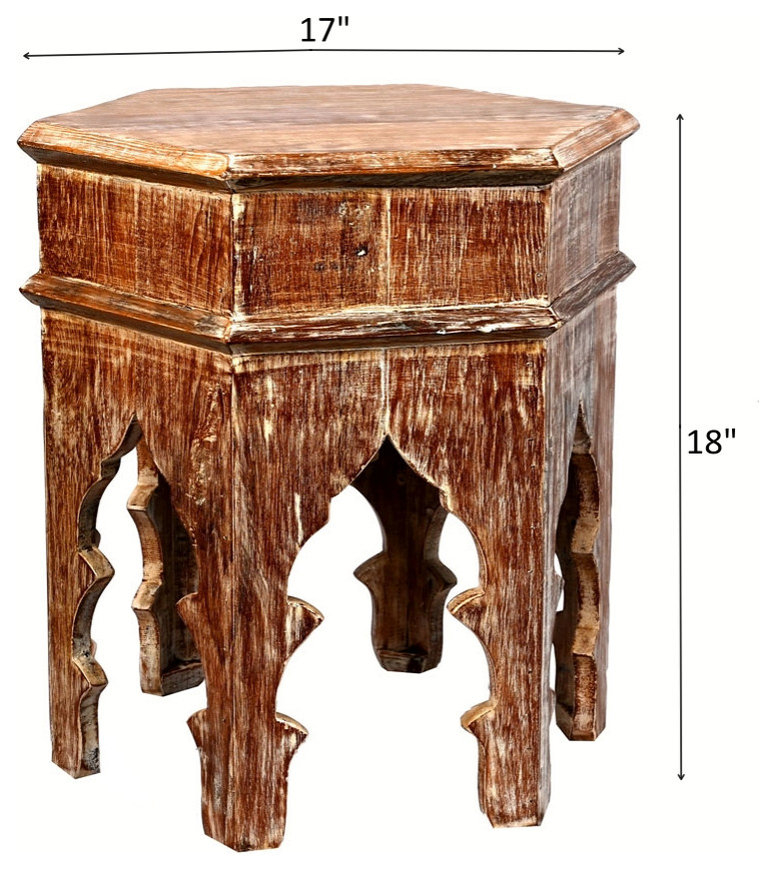
Picture this: You walk into a living room and see a stunning wooden table with intricate carvings, colorful geometric patterns, and a finish that seems to glow with warmth. This isn’t just furniture – it’s a piece of Morocco’s rich cultural story. These accent tables aren’t merely decorative objects; they’re portals to centuries of craftsmanship, tradition, and artistic expression that have found their way into today’s homes.
In the world of home decor, few pieces carry as much cultural weight and visual impact as Moroccan accent tables. These beautiful objects represent more than just functional furniture – they’re tangible connections to a heritage spanning generations. What makes them particularly fascinating is how they’ve successfully transitioned from traditional Moroccan homes to contemporary living spaces around the globe. They serve as bridges between past and present, bringing ancient techniques and cultural narratives directly into our daily lives. Whether you’re drawn to their ornate designs, the quality of materials used, or simply their ability to transform a space, these tables offer something special that many modern pieces simply cannot match.
Historical Roots and Traditional Craftsmanship
Moroccan accent tables have deep roots that stretch back centuries. The techniques used to create them were passed down through generations of skilled artisans, each adding their own touch while maintaining core traditions. These craftspeople worked with local materials like cedar, walnut, and oak wood, often incorporating metals such as brass or copper for decorative elements. The process involves meticulous hand carving, often using tools that haven’t changed much over time. Many tables feature distinctive elements like carved geometric patterns, which reflect Islamic artistic principles and regional influences. The craftsmanship required means that each piece is unique, with subtle variations that tell stories of individual artisans and their creative interpretations.
Design Elements That Define Moroccan Aesthetic
What makes Moroccan accent tables instantly recognizable? It’s the combination of several design elements that work together harmoniously. Geometric patterns dominate many pieces, featuring repeating shapes like stars, polygons, and interlocking forms that create visual rhythm. Color palettes often include rich earth tones, deep blues, vibrant oranges, and warm golds – colors that reflect the desert landscape and traditional dyes used in Morocco. Intricate metalwork adds another dimension, whether through filigree work, decorative brackets, or ornate feet. Many tables showcase a blend of different textures, from smooth polished wood to rougher natural finishes, creating interesting contrasts that draw the eye. The overall effect is both elegant and welcoming, making these pieces feel both sophisticated and comfortable.
Cultural Significance Beyond Decoration
These tables aren’t just pretty faces – they carry deep cultural meanings. In traditional Moroccan society, the dining table was central to family life and hospitality. Many accent tables are inspired by traditional serving tables or dining pieces that played crucial roles in social gatherings. The geometric patterns often represent concepts of infinity, protection, and harmony – ideas that resonate deeply within Moroccan culture. Some pieces even incorporate symbols related to nature, like floral motifs or representations of water, reflecting the importance of these elements in Moroccan life. When you place one of these tables in your home, you’re not just choosing furniture – you’re bringing cultural values and stories into your personal space.
Modern Adaptation and Contemporary Appeal
The beauty of Moroccan accent tables lies in their adaptability. While they maintain strong ties to traditional design, they’ve evolved to suit modern lifestyles and interior aesthetics. Today’s versions often feature simplified patterns that work well in minimalist settings, while still retaining enough character to stand out. The versatility extends to materials too – some manufacturers now use sustainable woods or incorporate eco-friendly finishes without sacrificing the authentic look. Modern versions might include features like built-in storage compartments or adjustable heights, making them more practical for contemporary needs. This evolution shows how traditional crafts can remain relevant while meeting new demands.
Choosing the Right Moroccan Table for Your Space
Selecting the perfect Moroccan accent table requires considering several factors. Size matters greatly – you want a table that complements rather than overwhelms your room. Consider the scale of existing furniture and the amount of traffic the area will see. The style of your home also plays a role; traditional Moroccan pieces might clash with ultra-modern interiors, while they’ll fit perfectly in bohemian or eclectic spaces. Look for quality construction – solid wood frames, tight joints, and well-finished surfaces indicate good craftsmanship. Pay attention to how the table feels in your hands and how it looks in different lighting conditions throughout the day. The right piece should enhance your existing decor rather than compete with it.
Care and Maintenance Tips
Proper care ensures your Moroccan accent table remains beautiful for years to come. Regular dusting with a soft cloth removes surface debris, while occasional polishing with appropriate wood cleaners maintains the finish. Avoid placing these tables in direct sunlight or near heat sources, as this can cause fading or warping. For metal accents, use gentle cleaners and dry thoroughly after cleaning. If your table has intricate carvings, consider using coasters or placemats to protect delicate areas. Most importantly, handle with care – these pieces are often made with traditional techniques that can be sensitive to rough treatment. Regular maintenance keeps the cultural heritage alive through proper stewardship.
Moroccan accent tables represent far more than simple home furnishings. They embody centuries of artistic tradition, cultural values, and skilled craftsmanship that continue to enrich modern living spaces. Every time someone sits around one of these tables, they’re participating in a tradition that spans continents and generations. Whether you’re drawn to their visual appeal, their cultural significance, or simply their ability to make a statement, these pieces offer something truly special. They remind us that beautiful objects can carry profound meaning and that the best design often comes from honoring the past while embracing the future. As we continue to seek authenticity and character in our homes, these tables stand as excellent examples of how tradition can thrive in contemporary life.
[sps_html tag=”img” src=”https://marcpauze.com/wp-content/uploads/2025/12/elegant-small-corner-accent-table-with-drawer-etlana-hooker-storage-regarding-the-story-behind-reclaimed-wood-in-moroccan-accent-tables.jpg” alt=”Elegant Small Corner Accent Table With Drawer Etlana Hooker Storage … regarding The Story Behind Reclaimed Wood in Moroccan Accent Tables” style=”width: 100%; height: auto;”]
[sps_html tag=”img” src=”https://marcpauze.com/wp-content/uploads/2025/12/reclaimed-moroccan-style-17-inch-distressed-six-corner-accent-table-with-the-story-behind-reclaimed-wood-in-moroccan-accent-tables.jpg” alt=”Reclaimed Moroccan Style 17 Inch Distressed Six Corner Accent Table … with The Story Behind Reclaimed Wood in Moroccan Accent Tables” style=”width: 100%; height: auto;”]
[sps_html tag=”img” src=”https://marcpauze.com/wp-content/uploads/2025/12/reclaimed-moroccan-style-17-inch-six-corner-accent-table-for-living-within-the-story-behind-reclaimed-wood-in-moroccan-accent-tables.jpg” alt=”Reclaimed Moroccan Style 17 Inch Six Corner Accent Table For Living … within The Story Behind Reclaimed Wood in Moroccan Accent Tables” style=”width: 100%; height: auto;”]
[sps_html tag=”img” src=”https://marcpauze.com/wp-content/uploads/2025/12/amazon-com-small-corner-table-for-small-spaces-corner-tables-for-intended-for-the-story-behind-reclaimed-wood-in-moroccan-accent-tables.jpg” alt=”Amazon.com: Small Corner Table For Small Spaces - Corner Tables For … intended for The Story Behind Reclaimed Wood in Moroccan Accent Tables” style=”width: 100%; height: auto;”]
[sps_html tag=”img” src=”https://marcpauze.com/wp-content/uploads/2025/12/rustic-moroccan-southwestern-reclaimed-wood-coffee-table-for-the-story-behind-reclaimed-wood-in-moroccan-accent-tables.jpg” alt=”Rustic Moroccan Southwestern Reclaimed Wood Coffee Table for The Story Behind Reclaimed Wood in Moroccan Accent Tables” style=”width: 100%; height: auto;”]


