
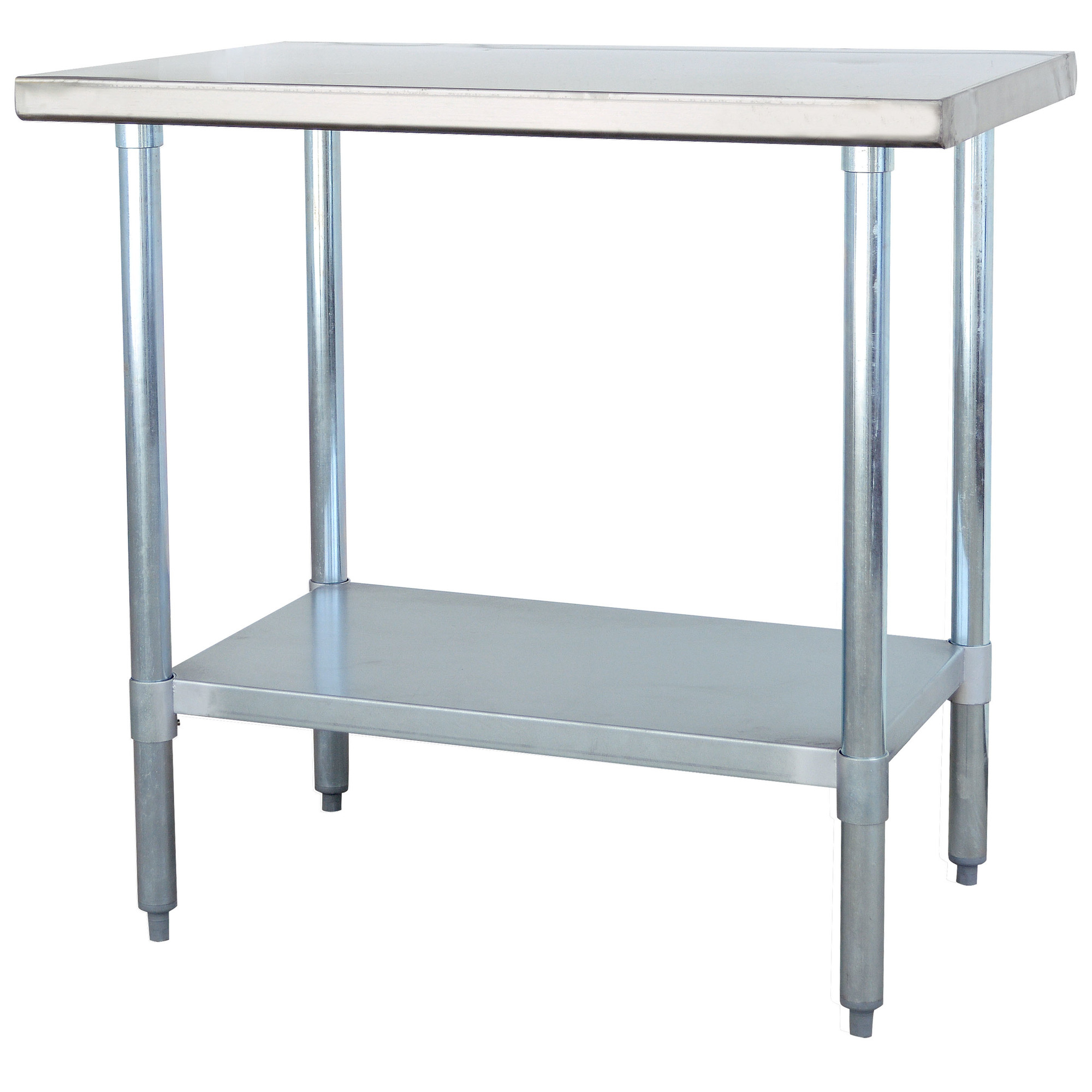
Workshop spaces have undergone a dramatic transformation over the past few decades. What started as simple wooden tables and basic metal benches has evolved into sophisticated, multi-functional work environments. Today’s professional work surfaces aren’t just places to put tools and materials – they’re intelligent systems designed to enhance productivity, safety, and workflow efficiency. This journey from humble beginnings to high-tech solutions reveals fascinating insights about how we approach craftsmanship and manufacturing today.
Think back to your first workshop experience. Maybe it was a garage corner with a weathered wooden table, or perhaps a community center space with basic metal workbenches. These weren’t fancy setups, but they served their purpose. Fast forward to today’s modern workshops, and you’ll find surfaces that can adjust to different tasks, integrate technology seamlessly, and even monitor environmental conditions. This isn’t just about aesthetics anymore – it’s about functionality, adaptability, and the future of how we work. The evolution of professional work surfaces tells us a lot about changing attitudes toward craftsmanship, safety requirements, and the integration of technology in traditional work environments.
The Foundation: Traditional Workbench Development
Traditional workbenches emerged from necessity rather than design. Early craftsmen used whatever materials were available – logs, planks, and metal sheets became the foundation of working surfaces. The evolution began when people realized that consistency and durability mattered. Wooden workbenches became standard because they were affordable, easy to repair, and provided a stable surface for most tasks. Many still use solid wood today, especially in artisanal settings where the material itself becomes part of the craft. The classic design featured a sturdy base with a flat top, often reinforced with metal edges for extra strength. These surfaces required regular maintenance, but they offered something that modern alternatives sometimes lack – that personal connection between craftsman and workspace. The simple beauty of a well-crafted wooden bench speaks volumes about the importance of quality materials and timeless design principles.
Material Revolution: Metal and Composite Surfaces
The industrial revolution brought significant changes to work surface materials. Metal workbenches started appearing in manufacturing environments where durability and cleanliness were essential. Steel and aluminum surfaces could withstand heavy use and were easier to clean than wood. This shift opened new possibilities for workshop design. Today’s composite materials combine the best properties of different substances. High-density polyethylene (HDPE) surfaces offer chemical resistance while maintaining a smooth finish. Stainless steel provides corrosion protection and easy sanitization. These materials have revolutionized how we think about work surfaces in environments where contamination or wear is a concern. Consider a kitchen equipment manufacturer – their workbenches need to resist food particles, oils, and cleaning chemicals. The right surface material makes all the difference in maintaining hygiene standards and prolonging equipment life. The transition from purely wood or purely metal surfaces to hybrid materials represents a major leap in practicality and performance.
Ergonomic Integration: Human-Centered Design Principles
Modern workshop surfaces consider human factors more than ever before. Ergonomics isn’t just about comfort anymore – it’s about preventing injury and maximizing productivity. Adjustable-height workbenches allow workers to change positions throughout the day, reducing strain on backs and shoulders. Some surfaces feature built-in support systems for tools and materials, keeping them within easy reach. The concept of ‘flow’ in workshop design means surfaces are arranged to minimize unnecessary movement. When someone needs to access a particular tool, it should be within arm’s length, not across the room. This attention to user experience has led to innovative features like integrated storage compartments, built-in lighting, and even surfaces that can tilt or rotate. A furniture maker might need a surface that can accommodate both detailed woodworking and larger assembly tasks. The right ergonomic considerations can make the difference between a frustrating day and a productive one.
Technology Integration: Smart Surfaces and Digital Capabilities
Today’s most advanced work surfaces incorporate digital elements. Some feature embedded sensors that monitor temperature, humidity, and even tool usage patterns. Others include wireless charging capabilities for mobile devices and tools. Smart surfaces can communicate with other workshop equipment, sharing data about material usage or process optimization. Imagine a surface that automatically adjusts its lighting based on the task at hand or provides real-time feedback about tool wear. These surfaces are particularly valuable in precision manufacturing environments where accuracy matters. The integration of technology doesn’t mean sacrificing the tactile experience of traditional craftsmanship. Instead, it enhances the worker’s ability to perform tasks efficiently while maintaining the connection to physical materials. The challenge lies in balancing technological sophistication with practical usability. Not every workshop needs advanced digital features, but those that do benefit enormously from seamless integration of information and physical workspaces.
Safety and Compliance Standards: Meeting Modern Requirements
Contemporary work surfaces must meet increasingly strict safety and compliance standards. Electrical safety is paramount, especially in environments where tools generate heat or electricity. Surfaces now include grounding systems and protective barriers. Fire resistance has become another critical factor, particularly in areas where flammable materials are handled. The rise of workplace safety regulations means surfaces must be designed with accident prevention in mind. For example, some surfaces incorporate non-slip elements or edge protection to prevent injuries. In food processing environments, surfaces must meet health department requirements for easy cleaning and contamination prevention. The evolution of safety standards reflects our growing understanding of workplace hazards and the importance of proactive risk management. These requirements have pushed manufacturers to develop innovative solutions that balance safety with practical functionality. Every inch of a modern work surface has been carefully considered for its contribution to overall safety.
Sustainability and Environmental Impact: Green Solutions
Environmental consciousness has significantly influenced modern work surface development. Manufacturers now prioritize sustainable materials and production methods. Recycled materials play a major role in creating eco-friendly surfaces that don’t compromise on quality. Bamboo, reclaimed wood, and recycled metals offer attractive alternatives to traditional materials. The lifecycle assessment of work surfaces considers everything from raw material extraction to end-of-life disposal. Energy-efficient manufacturing processes reduce environmental impact while maintaining product quality. Some surfaces are designed to be easily recyclable, ensuring that old workbenches don’t become waste. The growing focus on sustainability reflects broader societal values and regulatory pressures. Workshops that adopt green surfaces demonstrate commitment to environmental responsibility beyond their immediate operations. This trend toward sustainable materials shows how professional work surfaces have evolved to reflect changing values and expectations in the modern economy.
The journey from basic wooden tables to sophisticated smart surfaces illustrates how much our approach to work has changed. Each advancement in work surface technology addresses specific challenges faced by modern craftsmen and manufacturers. From basic functionality to ergonomic comfort, from safety compliance to environmental responsibility – every aspect has evolved to meet contemporary needs. The most successful modern surfaces balance tradition with innovation, honoring time-tested principles while embracing new possibilities. As we look toward the future, we can expect continued evolution in materials, integration capabilities, and sustainability practices. Whether you’re a seasoned craftsman or someone just starting out, understanding this evolution helps appreciate the thought and care that goes into creating effective work environments. The next time you sit at a professional work surface, remember that it represents decades of development, countless iterations, and the collective wisdom of people who understood that the right tools and surfaces make all the difference in producing quality work.
[sps_html tag=”img” src=”https://marcpauze.com/wp-content/uploads/2026/01/sportsman-series-stainless-steel-work-table-24-x-72in-width-35-in-in-sportsman-series-upturned-edge-stainless-steel-work-table.jpg” alt=”Sportsman Series, Stainless Steel Work Table 24 X 72In., Width 35 In … in Sportsman Series Upturned Edge Stainless Steel Work Table” style=”width: 100%; height: auto;”]
[sps_html tag=”img” src=”https://marcpauze.com/wp-content/uploads/2026/01/upturned-edge-stainless-steel-work-table-with-sportsman-series-upturned-edge-stainless-steel-work-table-1.jpg” alt=”Upturned Edge Stainless Steel Work Table with Sportsman Series Upturned Edge Stainless Steel Work Table” style=”width: 100%; height: auto;”]
[sps_html tag=”img” src=”https://marcpauze.com/wp-content/uploads/2026/01/sportsman-series-stainless-steel-work-table-24-x-36in-width-35-in-pertaining-to-the-evolution-of-professional-work-surfaces-in-modern-workshop-environments.jpg” alt=”Sportsman Series, Stainless Steel Work Table 24 X 36In., Width 35 In … pertaining to The Evolution of Professional Work Surfaces in Modern Workshop Environments” style=”width: 100%; height: auto;”]
[sps_html tag=”img” src=”https://marcpauze.com/wp-content/uploads/2026/01/sportsman-series-stainless-steel-portable-folding-work-table-with-the-evolution-of-professional-work-surfaces-in-modern-workshop-environments.jpg” alt=”Sportsman Series Stainless Steel Portable Folding Work Table … with The Evolution of Professional Work Surfaces in Modern Workshop Environments” style=”width: 100%; height: auto;”]
[sps_html tag=”img” src=”https://marcpauze.com/wp-content/uploads/2026/01/nsf-48-in-work-table-upturned-edge-stainless-steel-kitchen-utility-intended-for-the-evolution-of-professional-work-surfaces-in-modern-workshop-environments-scaled.jpeg” alt=”Nsf 48 In. Work Table, Upturned Edge Stainless Steel Kitchen Utility … intended for The Evolution of Professional Work Surfaces in Modern Workshop Environments” style=”width: 100%; height: auto;”]


