
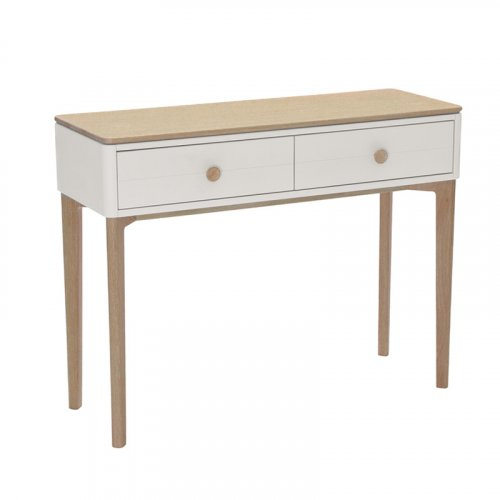
Console tables aren’t just functional pieces – they’re powerful design elements that can transform a room’s energy. When placed right, they become the perfect anchor for visual balance. But getting it wrong can throw your whole space off-kilter. The secret lies in understanding how these versatile pieces interact with the rest of your decor.
Picture this: You’ve just moved into a new space, and you’re standing in the entryway, staring at that empty wall. A console table seems like the obvious solution. But what if I told you that simply placing it there might actually disrupt the harmony of your entire room? It’s a common mistake many homeowners make. The truth is, console tables are more than just furniture – they’re design statements. They have weight, presence, and the power to either unify or divide a space. The key isn’t just where you put them, but how you make them work with everything else around them. This is where visual balance comes in – that delicate dance between proportions, colors, and spatial relationships that makes a room feel intentional rather than chaotic.
Understanding the Foundation of Visual Balance
Visual balance is like music – it needs rhythm and harmony. In home decor, it means creating a sense of equilibrium that feels comfortable to the eye. When you introduce a console table, you’re adding something substantial to your space. Think of it as a visual anchor that draws attention and creates focal points. The first step is recognizing that balance isn’t always about symmetry. Sometimes, a slightly asymmetrical setup can feel more dynamic and interesting. Consider how the table’s width relates to the wall space behind it. If you have a narrow console on a wide wall, it might look lost. But if you have a large console on a small wall, it could overwhelm the space. The goal is finding that sweet spot where the piece feels proportionally correct.
Proportional Placement and Scale
Let’s talk about sizing because it matters more than you might think. A console table should never be the largest element in a room, but it also shouldn’t be overshadowed by other pieces. The rule of thumb is to keep it roughly one-third the length of the wall it sits against. So if your wall measures twelve feet across, your console should ideally be four feet long. But this isn’t a hard-and-fast rule. Sometimes a smaller table can work beautifully in a larger space if it’s positioned correctly. What really matters is how it fits within the overall scale of your room. A long, low console works well in a room with high ceilings, while a shorter, wider piece suits lower ceilings better. Pay attention to the height too – a console that’s too tall can make a room feel top-heavy, especially if you’re stacking items on top of it.
Color Coordination and Contrast
Colors have power in creating visual balance. If you’re working with a neutral palette, a console table in a bold color can provide that needed pop. But if your walls are already bright and busy, a subtle, muted table might be more appropriate. The key is consistency. If you’re using a warm wood tone, make sure other wooden elements in the room match that same undertone. Cool tones like gray or blue tend to make spaces feel more spacious and calm. Sometimes a console table can act as a bridge between different color zones in your home. For instance, if your living room has warm tones and your dining area has cool ones, a console table in a neutral beige can help tie those areas together seamlessly. Consider the undertones of your table – is it warm or cool? This affects how it interacts with the lighting in your space.
Strategic Styling and Display
What you put on your console table matters almost as much as the table itself. Think of it as a stage where every item has a role. Too many items and it becomes cluttered. Too few and it looks sparse. The golden rule is to create visual interest through variety, not quantity. Mix textures – maybe a smooth ceramic vase next to a rough wood sculpture. Layer heights by placing a tall lamp beside a short bookshelf. Use negative space wisely – leaving some areas empty allows the eye to breathe. Don’t forget about symmetry in styling. Even if you’re going for an asymmetrical layout, the visual weight should still be balanced. A heavy piece on one side can be counterbalanced by multiple smaller items on the other side. Remember that console tables often serve as a transition point between rooms, so they should feel like they belong in both spaces.
Lighting Integration for Maximum Impact
Lighting can make or break how a console table appears in your space. Natural light is ideal, but you’ll want to consider how artificial lighting affects the piece throughout different times of day. A table with dark wood might look rich and sophisticated in morning light, but appear too heavy in evening light. Position your console table near a window if possible, but not directly in the path of harsh sunlight that could cause glare. Table lamps are essential – they provide both functionality and visual weight. The placement of lighting is crucial. If you’re using a floor lamp, position it so that it illuminates the table rather than casting shadows on it. Pendant lights above a console table can add drama and create a sense of height. The interplay of light and shadow on the table surface helps define its shape and makes it stand out from the background.
Practical Tips for Different Room Types
Every room presents unique challenges and opportunities for console table placement. In entryways, these pieces often serve as the first impression of your home. They should be welcoming and functional – perhaps with a mirror to reflect light and create the illusion of space. In living rooms, consoles can help define the space and provide storage. Keep the styling minimal but impactful. Dining rooms benefit from console tables that can double as serving surfaces during meals. Consider the traffic flow – make sure people can walk past without bumping into anything. Bedrooms can use console tables as nightstands or vanity surfaces, but keep the styling simple to avoid overwhelming the intimate space. Bathrooms offer a unique opportunity to incorporate console tables as vanities, but ensure they’re properly sealed and waterproof. The key is adapting the table’s function to fit the room’s purpose while maintaining visual balance.
Common Mistakes to Avoid
Even experienced decorators sometimes fall into traps when working with console tables. One big mistake is placing a table too far from the wall, creating an awkward gap that makes the room feel unfinished. Another frequent error is choosing a table that’s too heavy for the space – it can make a room feel cramped even if there’s plenty of actual space. Many people also neglect the importance of the table’s legs – they should complement the room’s aesthetic rather than clash with it. Some folks try to make their console table too busy, filling it with too many decorative items. Remember, less is often more when it comes to visual impact. Don’t forget about the flooring underneath – make sure there’s enough clearance for people to move around comfortably. Also, consider the table’s purpose beyond decoration – will it actually hold the items you plan to put on it?
Making It Work With Existing Furniture
One of the most challenging aspects of console table placement is ensuring it works with existing furniture. If you have a large sofa, for example, the console should complement rather than compete with it. Measure the distance between your sofa and the wall – this helps determine whether you need a long or short console. If you’re working with a traditional living room setup, a console table can help create a more defined space. In modern homes, sleek, minimalist consoles often work best with clean lines furniture. The material of your console should harmonize with other surfaces in the room. If you have metal accents elsewhere, a console with metal details can tie everything together. Don’t ignore the seating area – a console table should make people feel comfortable walking past it, not like they’re walking through a barrier.
Final Thoughts on Design Harmony
Getting visual balance with console tables isn’t about following rigid rules – it’s about developing an eye for what works. Start by looking at your space as a whole before adding any new elements. Consider the flow of traffic, the amount of natural light, and how each piece contributes to the overall mood of the room. A well-placed console table can elevate your entire space from ordinary to extraordinary. It becomes more than just furniture – it’s a statement of taste and intentionality. The beauty of good design is that it often goes unnoticed until you see what happens when it’s missing. Trust your instincts, experiment with different arrangements, and remember that visual balance is ultimately about creating a space that feels right to you. Whether you’re working with a small entryway or a grand hallway, the principles remain the same: proportion, balance, and thoughtful consideration of how each element interacts with the others.
Creating visual balance with console tables isn’t rocket science, but it does require a thoughtful approach. It’s about understanding that every piece in your home plays a role in the bigger picture. A console table can be the star of the show or a subtle supporting player, depending on how you choose to use it. The magic happens when you consider not just what the table looks like, but how it feels in your space. Does it invite people to linger? Does it create a sense of order? Does it make the room feel complete? These are the questions that separate good decorating from great decorating. Remember, there’s no one-size-fits-all approach to console table placement. Every home is different, every space has its own personality. The important thing is to approach it with curiosity and confidence. Try different heights, play with proportions, and don’t be afraid to adjust things until they feel right. After all, your home should reflect your personal style and make you feel comfortable every single day.
[sps_html tag=”img” src=”https://marcpauze.com/wp-content/uploads/2025/12/dining-room-console-tables-with-westfield-console-table-black-58-wide-natural-20wide.jpeg” alt=”Dining Room Console Tables with Westfield Console Table, Black, 58" Wide, Natural, 20"Wide” style=”width: 100%; height: auto;”]
[sps_html tag=”img” src=”https://marcpauze.com/wp-content/uploads/2025/12/amazon-com-little-tree-console-table-for-entryway-70-9-inch-extra-within-how-to-choose-the-perfect-console-table-for-your-entryway-or-hallway.jpg” alt=”Amazon.com: Little Tree Console Table For Entryway, 70.9-Inch Extra … within How to choose the perfect console table for your entryway or hallway” style=”width: 100%; height: auto;”]
[sps_html tag=”img” src=”https://marcpauze.com/wp-content/uploads/2025/12/console-table-black-drawers-at-richard-harvey-blog-within-westfield-console-table-black-58-wide-natural-20wide.jpg” alt=”Console Table Black Drawers At Richard Harvey Blog within Westfield Console Table, Black, 58" Wide, Natural, 20"Wide” style=”width: 100%; height: auto;”]
[sps_html tag=”img” src=”https://marcpauze.com/wp-content/uploads/2025/12/westfield-console-table-eyres-furniture-for-westfield-console-table-black-58-wide-natural-20wide.jpg” alt=”Westfield Console Table | Eyres Furniture for Westfield Console Table, Black, 58" Wide, Natural, 20"Wide” style=”width: 100%; height: auto;”]


